
12 Tips for an Alcohol-Free Vacation
The most important tips for an alcohol-free vacation are choosing activity-focused destinations, building structured daily schedules, identifying potential triggers before departure, packing items that support sobriety, selecting accommodations near meaningful distractions, and maintaining familiar routines despite unfamiliar surroundings. Success comes from preparation that creates environments where sobriety feels natural rather than restrictive.
In my experience, these strategies work whether you are maintaining long-term sobriety, exploring a sober-curious lifestyle, or simply taking a break from alcohol to experience travel differently. The goal remains the same: creating a vacation that delivers satisfaction without relying on substances to manufacture enjoyment.
Why Alcohol-Free Vacations ARE BETTER
I subscribe fully to the replacement principle, which applies powerfully to travel. When substances previously filled your evening hours, adventure and genuine connection can fill those same spaces more effectively. Your body wakes up ready for activity instead of recovering from the previous night. Your mind stays sharp enough to remember conversations, navigate unfamiliar places, and make decisions that enhance rather than limit your experience.
Travel without alcohol produces clearer memories, deeper engagement with local culture, and confidence that transfers back to daily life. The challenge lies in preparation. Without planning, you default to habits that feel familiar even when they work against your goals.
1. Choose Your Destination Based on Activity Level and Environment
It is true that your destination selection determines whether your vacation supports or undermines sobriety. Some locations center entirely around drinking culture, while others make alcohol irrelevant through the intensity of available experiences.
Select destinations where the main attraction requires your full presence and physical capability. High-altitude treks, multi-day diving trips, mountain biking routes, and wilderness expeditions naturally discourage drinking through practical necessity. Physical exhaustion at the end of each day eliminates the mental space where cravings typically appear.
Consider these destination characteristics when planning:
High Support for Sobriety:
Outdoor adventure destinations (national parks, mountain ranges, diving sites)
Wellness retreat locations (Bali, Costa Rica, Thailand wellness regions)
Islamic countries where alcohol is restricted (Morocco, Jordan, Indonesia)
Family-oriented beach towns
Spiritual or meditation-focused areas
Potential Challenges:
All-inclusive resorts with open bars
Wine regions or brewery tourism areas
Cities known primarily for nightlife
Spring break or party destinations
Cruise ships with unlimited drink packages
The physical challenge becomes the focus, making sobriety the obvious choice rather than a difficult restriction. When planning your trip, research whether the destination's main attractions happen during daytime hours and center around experiences rather than consumption. For detailed destination recommendations, see our guide to the best sober travel destinations for 2026.
2. Breeze through Airports and Flights Without Falling Into Old Patterns
Airports and flights present concentrated trigger zones that catch many travelers off guard. The combination of stress, boredom, and the "vacation starts now" mentality creates perfect conditions for breaking commitments made at home.
Airport Strategy
Arrive early enough to avoid the anxiety that makes grabbing a drink seem reasonable. Rushing through security and sprinting to the gates elevates stress hormones that can trigger cravings. Build buffer time into your airport experience.
Identify your personal airport triggers before you travel. Common ones include:
Seeing airport bars as the "vacation officially starts" signal
Boredom during long layovers
Anxiety about flying
The anonymity of being around strangers who will never see you again
Plan specific alternatives for each trigger. Load podcasts, download books, bring work that genuinely interests you, or schedule phone calls with friends during layover time. Have a clear plan for those two hours between flights rather than wandering terminal shops and bars.
Flight Approach
Request a seat away from the galley where flight attendants prepare drinks. Seeing the beverage cart repeatedly or smelling alcohol being poured creates unnecessary temptation. Window seats often feel safer than aisle seats that put you in the service path.
Bring your own beverages. Board with a full water bottle, tea bags, or other drinks that feel special enough to serve as your in-flight treat. When the beverage cart arrives, you already have something rather than facing the awkward moment of declining while watching others order drinks.
Consider these flight preparation steps:
Eat a full meal before boarding to avoid the hunger-boredom combination
Download entertainment you genuinely want to consume
Bring noise-canceling headphones to create your own environment
Pack sleep aids if flying overnight (melatonin, eye mask, neck pillow)
Have a planned response ready for "Would you like a drink?" ("Sparkling water, please" works perfectly)
Tell the flight attendant during boarding if you feel comfortable doing so. A simple "I don't drink alcohol, but I'd love extra sparkling water throughout the flight" gives them helpful information without requiring explanation.
3. Travel With People Who Support Your Sobriety
The people you travel with determine much of your experience. Traveling with heavy drinkers while newly sober creates constant friction and requires exhausting vigilance. Every meal, every evening, every decision becomes a negotiation.
| Travel Companion Type | Support Level | Considerations |
|---|---|---|
| Fellow sober travelers | Highest | No explanation needed, shared understanding, mutual support |
| Close friends/family aware of your sobriety | High | May need to set boundaries, but generally supportive |
| Acquaintances who don't know your history | Medium | Requires some explanation, but less emotional weight |
| Heavy drinkers or party-focused friends | Low | Constant temptation, peer pressure, conflicting priorities |
| Solo travel | Variable | Complete control but requires self-discipline and planning |
Have direct conversations before booking anything. Explain that you are traveling sober and need their support. Gauge their response carefully. Someone who seems annoyed, dismissive, or insistent that "one drink won't hurt" will make the entire trip more difficult.
If traveling with drinkers, establish boundaries clearly. You will not be joining them at bars after dinner. You will not be the designated driver who waits while they party. You need them to respect your choices without commentary or pressure. Their willingness to agree determines whether the trip will succeed.
Solo travel, or traveling with a dedicated sober travel group, eliminates these negotiations. You control every decision without needing to explain, compromise, or resist pressure from travel companions whose priorities differ from yours.
4. Select Accommodation that prevents Distractions
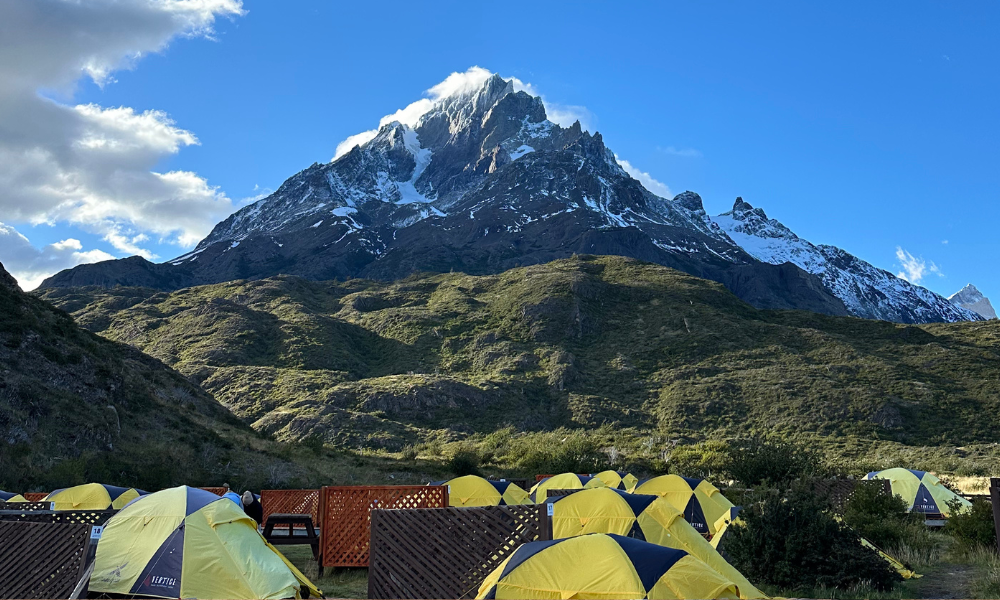
Hotel location determines the environment you wake up to and return to each evening. Staying in the heart of nightlife districts puts you in constant proximity to triggers even when you spend days doing sober activities.
Location Selection Criteria
Choose accommodations in areas where your natural walking routes avoid bars and clubs. Residential neighborhoods, locations near parks or trailheads, and family-oriented areas create environments where sobriety feels normal rather than unusual.
Research the immediate area before booking. Use map satellite views to see what businesses occupy nearby streets. A hotel surrounded by bars requires different coping strategies than one surrounded by cafes and outdoor outfitters. Read recent reviews mentioning noise levels, which often indicate whether you are booking in a party district.
Consider these accommodation types:
Strong Support for Sobriety:
Wellness resorts and retreat centers
Eco-lodges in natural settings
Boutique hotels in residential areas
Properties near hiking trails or outdoor activities
Family-oriented beach resorts
Bed and breakfasts in quiet towns
Potential Challenges:
Hotels in nightlife districts
All-inclusive resorts with swim-up bars
Party hostels
Hotels with rooftop bars as the main feature
Properties in areas known for bar crawls
Look for accommodations where the main amenity is location or service rather than the bar. When the hotel advertises its cocktail program as a primary feature, you are probably booking in an environment that will work against your goals.
Nearby Distractions and Activities
Your hotel should be within walking distance of activities that interest you. Coffee shops, bookstores, parks, markets, museums, and outdoor equipment rental shops provide evening options beyond sitting in your room, avoiding the hotel bar.
Make a list of these nearby resources when researching accommodations. Knowing you can walk to a great coffee shop for morning writing time or an evening walk to a viewpoint gives you specific alternatives to drinking.
5. Pack Items That Support Your Sobriety
What you bring determines what tools you have available when difficult moments arise. Pack intentionally for sobriety rather than assuming you will figure it out when challenges appear.
Essential Packing List for Sober Travel
Physical Items:
Journal and quality pen for daily reflection
Sobriety memento or token you carry everywhere
Favorite tea or coffee for morning rituals
Headphones for creating your own environment
Books or e-reader loaded with engaging content
Workout clothes for morning exercise
Meditation cushion or yoga mat if you practice
Photos or small items from home that ground you
Digital Resources:
Sobriety app with daily check-ins
Downloaded podcasts about recovery
Meditation or breathwork apps with offline access
Playlists that serve as soundtracks for different moods
Contact information for your support network
Local AA or recovery meeting schedules at your destination
Comfort Items:
Favorite snacks for stress eating (better than stress drinking)
Sleep aids that help in unfamiliar beds
Familiar toiletries that maintain your routine
Photos or meaningful objects from home
The journal matters more than most people realize. Writing each morning or evening creates continuity between your trip and home life. It also provides a private space to process cravings, celebrate victories, and track what strategies work in real time.
6. Maintain Familiar Routines in Unfamiliar Surroundings
Your brain finds comfort in routine. When everything feels unfamiliar (new bed, new sounds, new food, new language), maintaining some consistent practices helps you feel grounded rather than unmoored.
Identify your core home routines and determine which ones can travel with you. Morning coffee prepared a certain way, evening reading time, workout schedule, meditation practice, or journaling before bed all provide anchors in unfamiliar territory.
Travel Routines That Support Sobriety
Morning Routines:
Wake at the same time despite being on vacation
Drink water before coffee
Write three pages or journal about yesterday
Do your standard workout or adapted version
Eat breakfast even if rushing
Plan the day's activities before leaving your room
Evening Routines:
Return to your room at a set time
Write about the day's experiences
Call someone from your support network
Read for 30 minutes before sleep
Prepare clothes and plans for tomorrow
Sleep and wake times that match home schedule closely
The routine does not need to be elaborate. Even simple consistency like "coffee, journal, plan the day" creates a familiar pattern your brain recognizes and finds comforting.
Unfamiliarity triggers anxiety for many people. Anxiety often triggers cravings as your brain reaches for its familiar coping mechanism. Maintaining routines interrupts this chain before it reaches the craving stage.
7. Identify Your Personal Triggers and Plan Specific Responses
Triggers vary dramatically between individuals. What challenges one person might not affect another at all. Identify your specific triggers before you travel so you can plan concrete responses rather than trying to improvise under pressure.
| Trigger | Why It's Difficult | Planned Response |
|---|---|---|
| Sunset cocktail tradition | Romanticized drinking ritual | Schedule activity during sunset (hike to viewpoint, beach walk, dinner reservation) |
| Boredom in hotel room | Unstructured time alone | Pre-planned evening activities, calls with friends, engaging book |
| Celebrating achievements | Habit of "rewarding" with alcohol | Alternative celebration (nice dinner, special dessert, purchase meaningful souvenir) |
| Anxiety about travel logistics | Stress management habit | Breathwork practice, call support person, take walk |
| Watching others drink at dinner | Feeling left out or different | Bring non-alcoholic drink to table, focus on food quality, leave when lingering over drinks starts |
| Flight delays or cancellations | Frustration and airport bars | Walk the terminal, call friend, read compelling book |
| Romantic settings | Association between romance and wine | Plan romantic activities that don't center on drinking |
| Success or bad news | Any extreme emotion | Journaling, calling support network, meditation |
Write your personal trigger list before you leave. Include the trigger, why it challenges you specifically, and your planned response. Keep this list accessible on your phone so you can reference it when needed.
The plan removes decision-making from the moment of temptation. You already decided what to do, which eliminates the negotiation your brain will try to start about whether one drink would really matter.
8. Make the Most of Mornings as Your Energized Part of Day
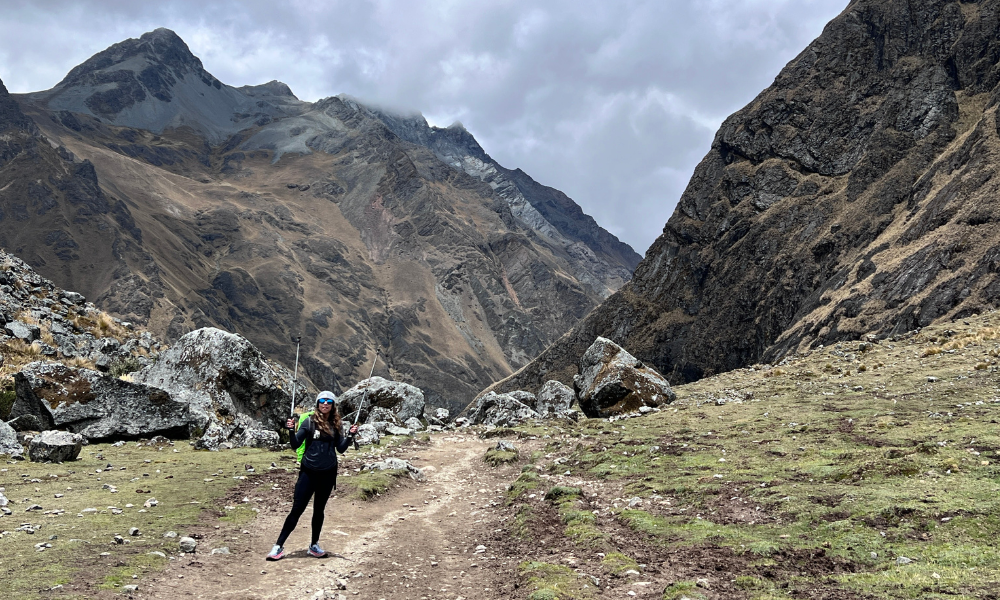
Sobriety gives you mornings back. Use them strategically as your most productive, energized hours rather than sleeping until noon or recovering from the previous night.
Morning hours, when you feel clear and energized, set the tone for your entire day. Schedule your most important or physically demanding activities during this window. Save more strenuous activities for the afternoon, when energy naturally dips.
The early start serves multiple purposes. You complete meaningful activities before most tourists even start their day. You avoid the heat in warm climates. You tire yourself out physically, so evening feels like natural rest time rather than a period requiring entertainment.
Reclaiming mornings feels like one of sobriety's greatest gifts. Travel amplifies this advantage. Sunrise from a mountain summit, empty beaches before crowds arrive, or quiet coffee shops before the tourist rush all become accessible through your clear morning mind.
9. Tire Yourself Out Completely Through Physical Activity
Physical exhaustion is one of the most effective tools for eliminating evening cravings. When your body genuinely needs rest, alcohol loses its appeal. You collapse into bed fulfilled rather than restless.
Plan activities intense enough to produce genuine fatigue. A casual walk will not create the deep tiredness that makes evening drinking unappealing. Long hikes with elevation gain, all-day cycling, multi-hour kayaking, or sustained swimming produces the exhaustion that supports sobriety.
Monitor your energy throughout the day. If you return to your hotel at 4 PM feeling fully rested, you have dangerous evening hours ahead. Plan an additional activity rather than showering and relaxing until dinner. For adventure-focused destinations that naturally support this level of activity, explore the 5 best destinations for sober adventure travel.
The natural endorphins from sustained physical activity provide the mood elevation and stress relief that drinking once promised but rarely delivered. Your brain gets the chemical reward it craves through healthy means.
10. Create Moments for Reflection
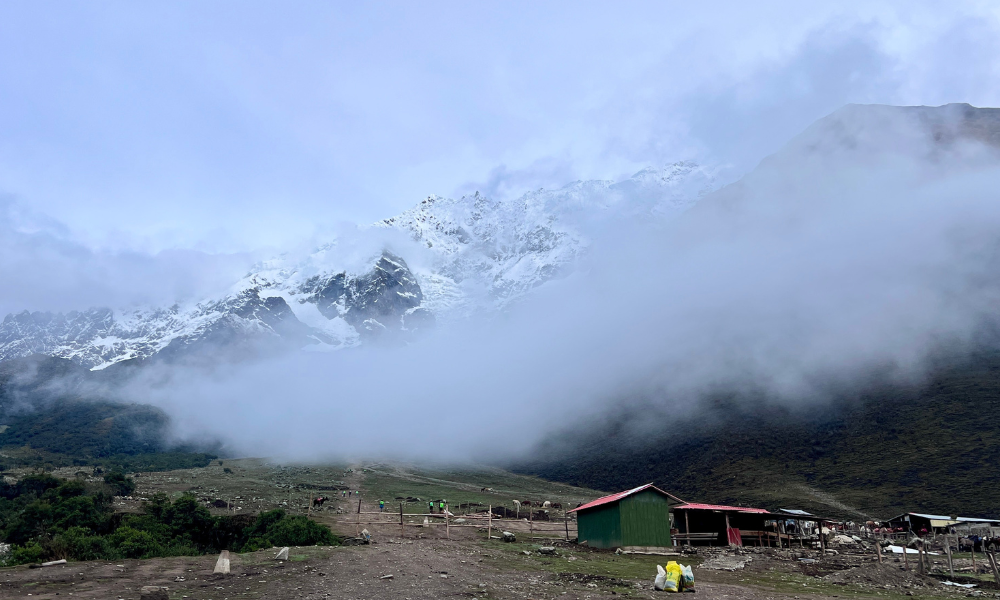
While physical exhaustion helps, you also need genuine rest periods built into each day. Complete overscheduling creates a different kind of stress that can trigger cravings. Balance intense activity with meaningful downtime.
Schedule 30-60 minutes daily for reflection practices that keep you connected to your intentions. This might be meditation, journaling, breathwork, or simply sitting quietly in nature without devices or distractions.
These moments serve multiple purposes. They process the intense experiences you are having, maintain your connection to why sobriety matters, and create space to notice if stress or cravings are building before they become overwhelming.
Reflection makes your trip memorable in a way that drunk travel never achieves. You remember details, process emotions in real time, and create a record you can return to later. The journal becomes proof that sober travel delivers richer experiences than drinking ever did. Maintaining engaging activities during downtime follows the same principles as how to enjoy your hobbies again after getting sober.
11. Have Your Emergency Support System Ready
Despite excellent planning, difficult moments will still arise. Prepare your emergency support system before you need it rather than scrambling when cravings hit.
Support Network Preparation
Before leaving home, have these conversations and arrangements:
Primary Support Person:
Choose someone who understands your sobriety
Explain your trip plans and potential challenges
Get permission to call any time, regardless of time zones
Exchange flight information so they know your schedule
Set up a daily check-in time if that feels supportive
Backup Support:
Identify 2-3 additional people you can reach out to
Join online recovery communities active at all hours
Download apps with immediate support features
Research local recovery meetings at your destination
Professional Resources:
Take your therapist's emergency contact information
Know how to reach your sponsor if you have one
Research crisis hotlines available from your destination
Have your doctor's contact information for questions
Tell your support network what specific help you need. Some people want someone to talk them through cravings. Others just need distraction through normal conversation. Some want permission to feel whatever they are feeling without solving it. Clarity about what actually helps prevents awkward moments when you are already struggling.
10. Choose Your Country Wisely Based on Drinking Culture
Not all countries treat alcohol the same way. Some cultures center social life entirely around drinking, while others make sobriety completely normal and unremarkable. Your destination's drinking culture determines whether you constantly explain yourself or blend in naturally.
Countries fall along a spectrum from heavy drinking cultures to places where alcohol plays a minimal role in daily life. Understanding this spectrum helps you select destinations that support rather than challenge your sobriety.
Low-Pressure Drinking Cultures
Islamic Countries: Morocco, Jordan, Indonesia, Malaysia, and the United Arab Emirates restrict alcohol availability significantly. Many restaurants serve no alcohol at all. Social gatherings center around tea, coffee, and food rather than drinking. Nobody questions why you are not drinking because most locals do not drink either.
These destinations remove the entire negotiation around alcohol. You walk into restaurants knowing the decision has already been made for you. The mental energy saved from not having to repeatedly decline drinks allows you to focus entirely on the travel experience.
Asian Countries with Tea Cultures: Japan, South Korea, and Taiwan have strong drinking cultures in business settings but also deep tea traditions that provide socially acceptable alternatives. You can spend entire evenings in tea houses without anyone suggesting alcohol. The formality and ritual around tea ceremonies creates experiences as rich as wine tasting without the substances.
Adventure-Focused Destinations: New Zealand, Nepal, Peru, Patagonia (Argentina and Chile), and Iceland attract travelers focused on outdoor activities rather than nightlife. The social scene revolves around sharing trail stories, planning next day's adventure, or recovering from physical exertion. Drinking happens but does not dominate the culture.
Challenging Drinking Cultures
Europe's Wine Regions: France, Italy, Spain, and Portugal integrate wine deeply into every meal and social interaction. Declining wine at dinner prompts confusion and sometimes offense. These cultures view wine as food rather than alcohol, making it harder to avoid without extensive explanation.
Beer-Centric Countries: Germany, Czech Republic, Belgium, and Ireland build social life around beer halls and pubs. Evening entertainment defaults to drinking establishments. Finding alternative evening activities requires more research and intentionality.
Party Destinations: Thailand's full moon parties, Mexico's spring break zones, and Caribbean all-inclusive resorts attract travelers specifically seeking to drink heavily. The entire infrastructure supports constant alcohol availability.
| Region/Country | Drinking Culture | Sobriety Support | Key Considerations |
|---|---|---|---|
| Islamic Countries (Indonesia, Morocco, Jordan) | Minimal to none | Highest | Alcohol restricted or unavailable, no social pressure, tea culture strong |
| Adventure Destinations (Nepal, Peru, Patagonia) | Present but secondary | High | Focus on activities, early bedtimes, outdoor culture values sobriety |
| Asian Tea Cultures (Vietnam, Japan, South Korea) | Mixed (business vs casual) | Medium-High | Strong alternative rituals, tea houses abundant, respectful of choices |
| North America | Variable by location | Medium | Cities have sober scenes, wellness culture growing, national parks ideal |
| European Wine Regions | Central to culture | Low | Wine at every meal expected, declining requires explanation, integrated into cuisine |
| Party Destinations | Primary attraction | Very Low | Entire infrastructure built around drinking, constant availability, peer pressure high |
Plan Your Alcohol-Free Vacation with Capsule Adventures
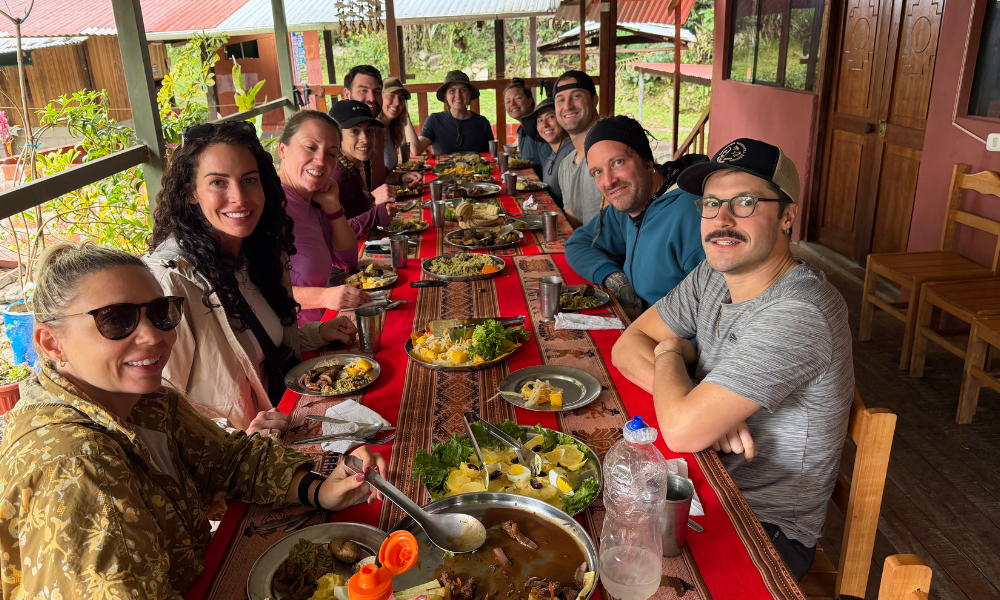
The best alcohol-free vacations combine intense physical activity with structured schedules, supportive environments, and preparation for anticipated challenges. At Capsule, we select destinations where adventure replaces drinking as the main event.
From personal experience, these strategies work whether you are six months or six years into recovery, whether you are sober-curious or committed for life. I take them with me wherever I go. The principles remain consistent: preparation beats improvisation, physical challenge beats passive relaxation, and clear mornings beat hazy nights.
Sober travel delivers experiences that drinking never could. You remember every detail, make genuine connections, push physical limits, and return home with confidence that transfers to the rest of your life. The trip becomes a highlight in your sobriety rather than a threat to it.
Frequently Asked Questions About Alcohol-Free Vacations
How do I explain to travel companions that I'm not drinking on vacation?
Keep it simple and direct. Most people respect a straightforward statement like "I don't drink" without requiring explanation. If pressed, responses like "I feel better without it" or "I'm focusing on fitness right now" work well. In outdoor adventure settings, many travelers stay sober by choice regardless of history, making your decision completely unremarkable.
What are the best destinations for an alcohol-free vacation?
Islamic countries like Indonesia, Morocco, and Jordan offer the highest support with minimal alcohol availability. Adventure destinations including Nepal, Peru, and Patagonia center activities around physical challenges rather than nightlife. Asian countries with strong tea cultures like Vietnam and Japan provide rich alternatives to drinking culture.
How do I handle airport bars and drinking on flights?
Arrive early to eliminate the stress that triggers cravings. Bring your own special beverages like flavored sparkling water or quality tea. Request window seats away from galley areas where you see drink service constantly. Have engaging content downloaded (podcasts, books, movies) so you're occupied rather than bored.
Will I feel left out traveling sober while others drink?
Initially, you might notice others drinking, but physical exhaustion from daytime activities shifts your focus. When you wake up energized while travel companions nurse hangovers, you realize you're gaining experiences rather than missing out. Choose accommodations away from party districts and schedule sunset activities so you're not sitting idle during traditional drinking hours.
What should I pack to support my sobriety on vacation?
Pack a journal for daily reflection, sobriety mementos like coins or tokens, favorite teas or coffee for morning rituals, and comfort items from home. Bring headphones to create your own environment, download podcasts about recovery, and meditation apps with offline access.
