
What Your Sober Coach Wants You to Know About Adventure Travel
If you're searching for a sober coach, recovery coach, or sober mentor right now, you're probably looking for support in staying sober or figuring out what comes next after getting clean. That search tells me you're ready to build something new. As a recovery coach in training and a sober travel guide, I've spent the past few years learning from addiction counselors, sober mentors, and recovery professionals who understand something fundamental about long-term sobriety that took me years to figure out on my own.
They know that staying sober requires more than just not drinking or using. You need something powerful enough to replace what substances used to give you. For me, that replacement was adventure travel, and through my training and conversations with recovery professionals, I've learned why this keeps coming up in their work with clients.
The Replacement Strategy That Recovery Coaches Understand
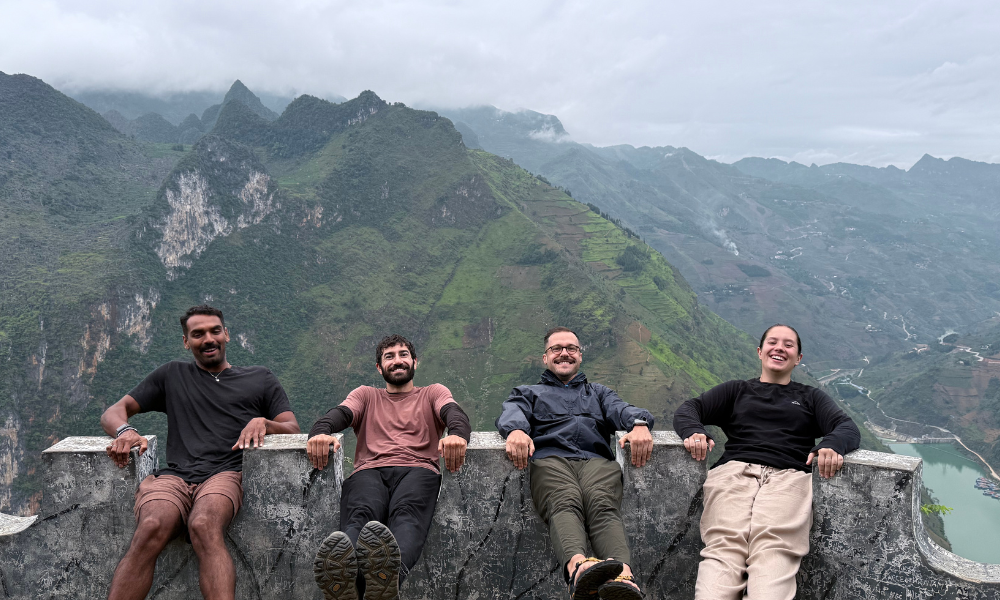
One of the most common things I've learned in my training is how often people struggle with the question of what to do with all the time and energy they used to spend drinking or using drugs. Early sobriety can feel grey. You've removed the thing that used to bring color and excitement to your life, and you're left wondering if anything will ever feel that good again.
This is where the replacement strategy comes in, and it's something that nearly every recovery coach emphasizes with their clients. You're not just stopping a behavior, you're actively choosing something else that brings you as much joy, or ideally more joy, than what you gave up. The keyword there is "actively." Your sober mentor can guide you and support you, but you have to actually go do the thing that lights you up.
When I got sober, I was terrified I'd never find that euphoria again. I felt flat, like someone had turned down the saturation on my entire life. Then I started traveling, really traveling, and I realized I could wake up at the base of a mountain in Peru, push my body harder than I ever had, and feel more alive than any substance had ever made me feel. That clarity, that full-body exhaustion paired with total presence, brought back something I thought was gone forever.
Why Addiction Counselors Recommend Getting Out of Your Routine
Addiction counselors understand that your environment plays a massive role in recovery. If you stay in the same routine, around the same triggers, in the same physical spaces where you used to drink or use, you're making things harder than they need to be. This doesn't mean you need to move to a new city or abandon your life, but it does mean that strategically disrupting your routine with new experiences can be incredibly valuable.
A sober coach in New York told me she referred a client when she noticed him talking about feeling trapped in his daily routine. He was doing everything right, attending meetings, staying sober, but he felt like he was just going through the motions. She encouraged him to do something completely outside his comfort zone, something that demanded his full attention and removed him from the daily grind where old habits live. For some people, that's rock climbing or learning to surf. For others, it's international travel to a place where everything is unfamiliar and you have to stay present just to navigate the day.
Adventure travel checks every box that addiction counselors look for when recommending activities to their clients. It's physically demanding, which means you're too tired to overthink or ruminate. It's novel, which floods your brain with dopamine in a natural, healthy way. It's social, but in a context where everyone's focused on the shared experience rather than what you're drinking. And it's memorable in a way that creates lasting positive associations with sobriety rather than deprivation.
What Sober Mentors Know About Bucket-List Experiences
Sober mentors, especially those who have been in recovery for years themselves, often push their mentees to dream bigger than they think they're allowed to. They know from experience that sobriety opens doors you didn't even know existed when you were drinking. I've watched mentors encourage people who mentioned in passing that they've always wanted to hike to Machu Picchu or trek through Nepal, telling them to stop treating it like a fantasy and start treating it like a plan.
There's something powerful about having a sober mentor look you in the eye and tell you that you deserve the big adventure, not someday when you've "earned it," but now, while you're building your new life. These mentors understand that bucket-list experiences in early or middle sobriety serve as proof of concept. They show you what you're capable of when you're fully present, and they become the stories you tell about your sober life instead of war stories about your drinking days.
I've watched people arrive on trips who were encouraged by their sober mentor specifically because they needed evidence that their life could be extraordinary without substances. These are people who were told by someone they trust that adventure travel would shift something fundamental in how they see their recovery. And honestly, the mentors are right. When you're standing at 15,000 feet looking out at a landscape that takes your breath away, when you've just pushed through something you didn't think you could do, you're not thinking about what you're missing. You're fully, completely there.
The Community Aspect That Recovery Coaches Emphasize
Recovery coaches talk a lot about the importance of community, and one of the main reasons they encourage group adventure travel is that it solves the social isolation problem that so many people face when they get sober. Your old social circle might have revolved around drinking, and suddenly you're trying to build a new one from scratch while also figuring out who you are without substances.
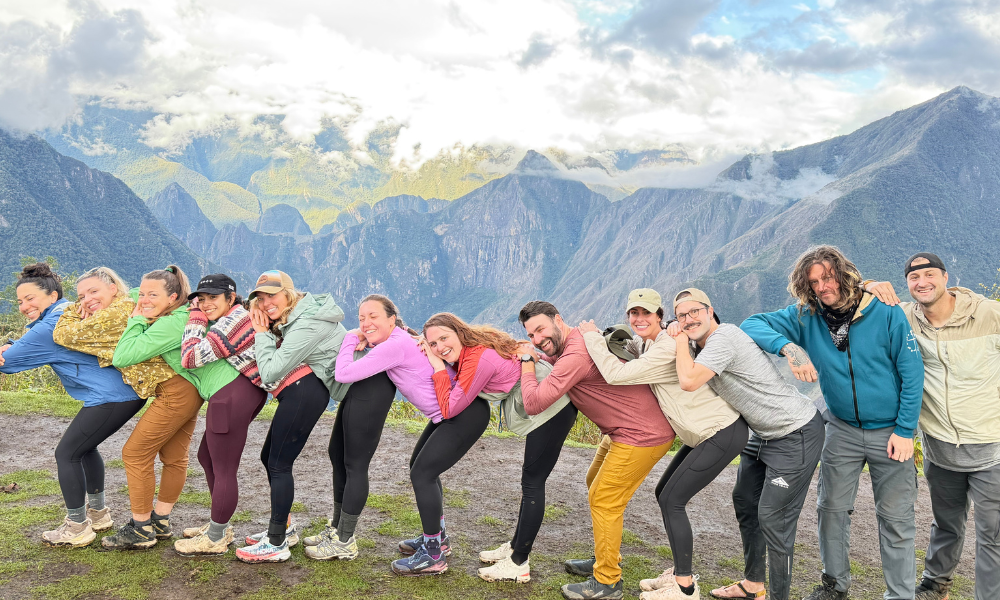
Group adventure travel creates an immediate community of people who are all choosing the same thing you are. Everyone on the trip has decided that they want the full, unblurred experience. You're not the only one not drinking. You're not explaining yourself or feeling like you're missing out. You're part of a group that's all in on being fully present together, and the bonds that form in that context are different from friendships that start over drinks at a bar.
Addiction counselors have told me they see a completely different energy in people who come back from adventure experiences. They're talking about the people they met, making plans to meet up for hiking trips or other adventures, building a social life that's active and engaged rather than passive and centered around alcohol. That shift, from feeling isolated in sobriety to feeling connected through shared adventure, is one of the most valuable things a recovery coach can facilitate.
Recognizing When Someone Is Ready for Something Bigger
Through my training, I've learned that recovery coaches develop an eye for recognizing when someone is ready to step into a bigger version of their sober life. Maybe the person has been sober for six months, and the initial pink cloud has worn off. Maybe they've been sober for years but feel like they're just going through the motions. Either way, the coach sees that their client needs a catalyst, something that reminds them why they chose this path in the first place.
A sober mentor in Austin told me she watches for specific signs that someone is ready for a transformative experience. When she hears clients talking about feeling stuck or expressing doubt about whether sobriety is worth it long-term, she knows they need a proof point, a memory so vivid and joyful that it becomes their answer to "why stay sober?" Adventure travel provides that. It's hard to question whether sobriety is worth it when you've just spent a week trekking through landscapes you've dreamed about your whole life, surrounded by people who get it, feeling more alive than you knew was possible.
Recovery coaches also understand the value of earned accomplishment. When you complete a challenging trek or push through physical discomfort to reach a destination, you prove to yourself that you can do hard things. That confidence carries over into every other area of your recovery. If you can handle altitude sickness at 14,000 feet or keep going when your legs are screaming at you to stop, you can handle the hard days of staying sober.
What I've Learned From working with Sober Coaches
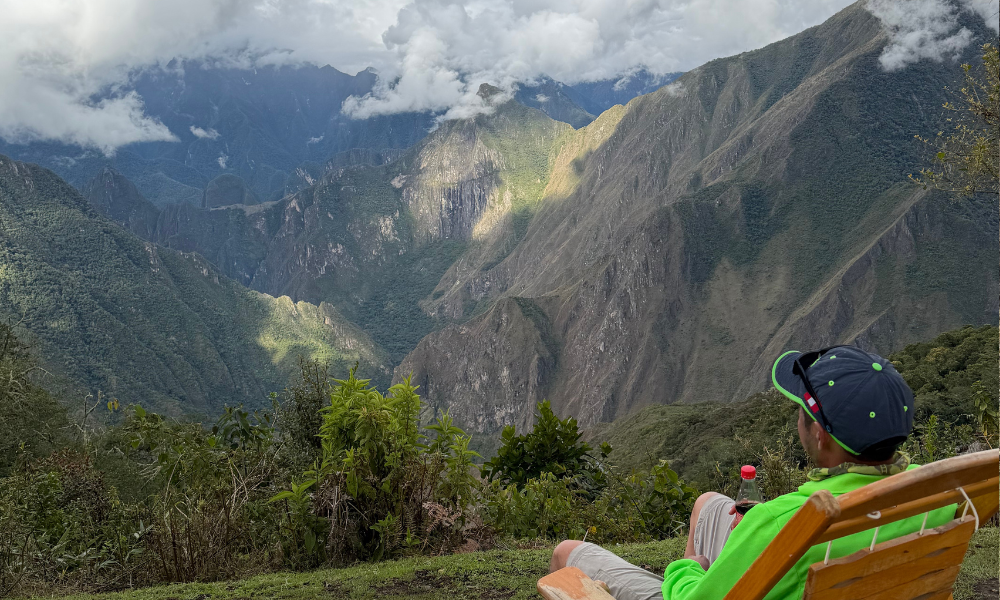
Working alongside sober coaches, addiction counselors, recovery coaches, and sober mentors through my training has taught me that they all understand something essential: recovery is about building a life you don't want to escape from. They're not just helping people stop drinking or using. They're helping people discover what makes them feel alive, what gives them purpose, and what replaces the hole that substances used to fill.
The wisdom I've gained from these professionals is that adventure travel does something unique in recovery. It shows people that life can be vivid and full and exhilarating when you're completely present for it. It connects them with a community of like-minded people who choose adventure over oblivion. And it gives them stories and memories that become part of their identity as a sober person, not just someone who doesn't drink, but someone who lives fully.
If your sober coach or recovery mentor is encouraging you to do something outside your comfort zone, to pursue that bucket-list adventure you've been putting off, to join a group of strangers for a week in a foreign country, listen to them. They're seeing something in you that you might not see in yourself yet. They know you're ready for the trip that changes everything.
That's why I created Capsule Adventures. After experiencing adventure travel in my own recovery and going through training to become a recovery coach myself, I wanted to build something that brought together everything these professionals understand about what people in recovery need. The trips I run to destinations like Machu Picchu, Nepal, Bali, and beyond are designed for people who are ready to replace what substances used to give them with something bigger, more challenging, and infinitely more rewarding. Many recovery coaches and sober mentors point people toward these experiences when they recognize that readiness, and if you've been thinking about making your next adventure the one that proves what your sober life can look like, I'd love to have you join us.
Frequently asked questions
Why do sober coaches recommend adventure travel over other types of vacations?
Adventure travel works differently than typical sober vacations because it demands your full presence and physical engagement. Recovery coaches see that climbing a mountain or trekking through foreign terrain provides natural euphoria and earned accomplishment in a way that lounging on a beach doesn't. The physical challenge combined with complete novelty creates the kind of vivid, memorable experience that becomes proof sobriety is worth it.
How does adventure travel help build a sober community?
Group adventure travel creates an immediate sober community of people who've all chosen to be fully present together. Unlike trying to make sober friends at meetings or through apps, you're bonding through shared physical challenges and bucket-list experiences. The connections formed during a week of trekking or diving together tend to last because they're built on authentic shared experience rather than just shared struggle.
What makes adventure travel effective for a sober lifestyle long-term?
Adventure travel becomes part of how you define your sober lifestyle rather than just something you do occasionally. When you have a vivid memory of summiting a mountain or completing a challenging trek, you're not just someone who doesn't drink - you're someone who lives fully and does extraordinary things. These experiences give you stories to tell about your sobriety that have nothing to do with what you gave up.
Is adventure travel only for people in early recovery?
No. While adventure travel can be transformative in early sobriety, it's equally valuable for people years into their recovery who feel stuck in routine or are questioning whether their sober lifestyle is as fulfilling as they'd hoped. Bucket-list experiences serve as a reset regardless of where you are in your journey, reminding you that sobriety opens doors rather than closing them.
