
7 Tips on How to Make Sober Friends
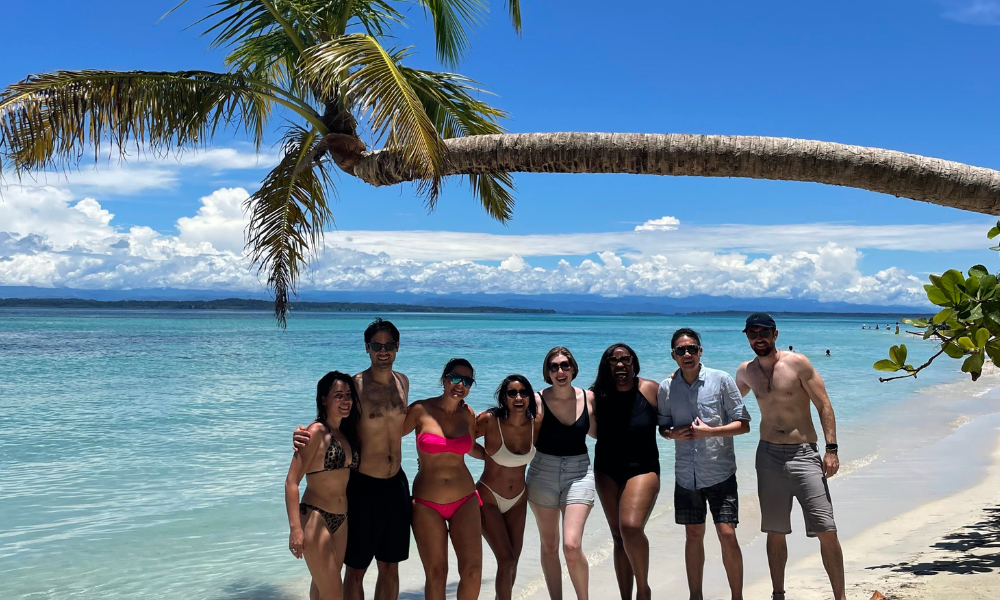
Making sober friends starts with showing up in places where people are living substance free and actually doing things together. You'll find potential friends at local recovery meetings, through activity groups like sober running clubs or climbing meetups, on Reddit forums dedicated to sobriety, and through sober travel experiences. The best sober friendships form when you're doing activities together that replace what substances used to provide: hiking, traveling, training for something, or learning new skills. Whether you're connecting with someone locally or meeting people on a group trek through Peru, the key is finding individuals who understand that staying sober works better when you have friends who are doing it too.
Coming Back to a World That Hasn't Changed
When I got sober, I thought the hard part would be the initial decision. Turns out, the real challenge started when I came back to my normal life. Everything looked exactly the same. Same apartment, same job, same friends who still went to the same bars. The problem was that I had changed, but my environment hadn't caught up yet.
I kept trying to fit back into my old social circles, and it felt like wearing shoes that no longer fit. These were people I cared about, but every hangout revolved around drinking. I'd show up to the same parties, order a soda, and watch everyone else get progressively looser while I got progressively more uncomfortable. The friendships I'd thought were solid turned out to be held together by shared hangovers and late-night drunk conversations that didn't mean much in the morning.
Losing those connections hurt. I'm not going to pretend it didn't. But staying sober in those old environments felt like trying to swim upstream constantly. I needed to find people who were swimming in the same direction I was.
Why Making Sober Friends Matters
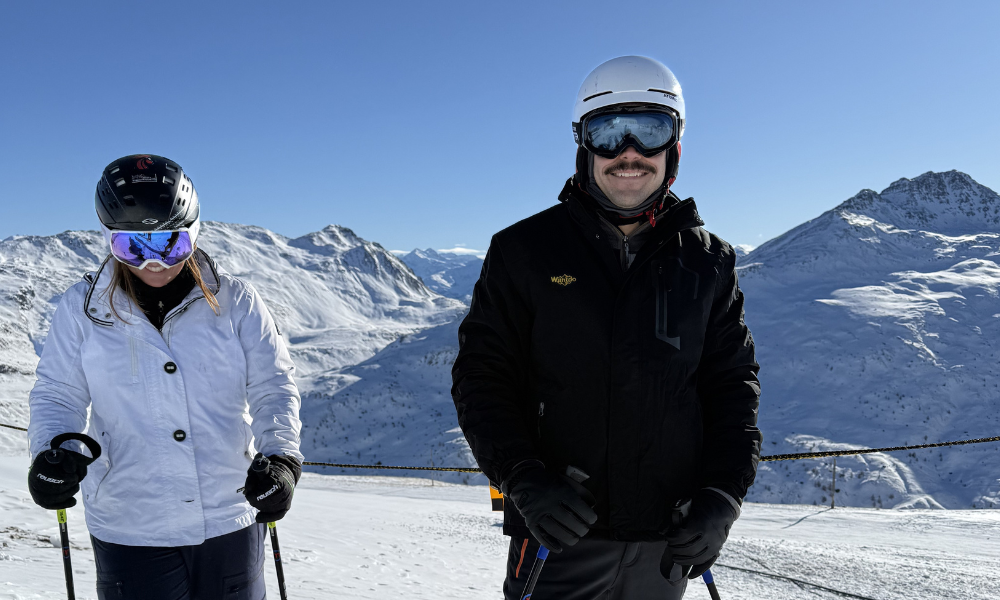
Here's what nobody tells you about getting sober: willpower runs out. You can do your utmost through a few weeks, maybe even a few months, but eventually you need people in your corner. You need friends who get it.
When your old friends are texting you to come out for drinks, having a sober friend you can text instead who'll suggest a hike or just talk you through the craving makes all the difference. When you're traveling and everyone around you is ordering cocktails at dinner, having friends who are making the same choice you are keeps you grounded.
Sober friends also help you remember why you're doing this in the first place. When you're around people who've built full, vibrant lives without substances, you stop seeing sobriety as deprivation. You start seeing it as the foundation for something better.
The friends I made early in my recovery became the people who showed me what was possible. They were hiking mountains, traveling to incredible places, building businesses, falling in love, and genuinely enjoying their lives. That's what I wanted, and being around them made it feel achievable.
Where to Meet Sober Friends Online
Reddit became one of my first resources when I was looking for sober friends. Communities like r/stopdrinking have hundreds of thousands of members sharing their experiences daily. These aren't polished recovery stories; they're people posting at 2 am when they're struggling, celebrating year milestones, and offering practical advice about everything from how to navigate weddings sober to dealing with insomnia in early recovery.
What makes online spaces valuable for meeting friends is their accessibility. You can connect with people at 3 am when you're having a hard time, or during your lunch break when you need encouragement. You're not limited by geography, which means you can find people whose experiences resonate with yours even if they live across the country.
Beyond Reddit, there are forums dedicated to specific aspects of sober living. Some focus on fitness and outdoor activities, others on creative pursuits, and many on the practical logistics of living substance free. Instagram has a sizable sober community using hashtags like #soberlife and #sobercurious, though I'd be cautious about the performative aspects of social media. Look for accounts sharing genuine experiences rather than curated highlight reels.
The value of online spaces is that they can lead to real friendships. I've met people on forums who I later traveled with, hiked with, and who became genuine friends. The internet is a starting point, not the whole solution.
Where to Meet Sober Friends Offline
Local meetings remain one of the most reliable ways to meet sober friends. Whether it's AA, SMART Recovery, or other support groups, these gatherings put you in a room with people who understand exactly what you're going through. You don't have to explain yourself or justify your choices.
Activity-based groups offer another path to friendship. Sober running clubs, climbing groups, yoga studios with recovery-focused classes, and outdoor adventure meetups attract people who want to build their lives around doing things rather than talking about not drinking. These groups understand the replacement concept: you're filling the space alcohol or drugs occupied with something that actually enriches your life.
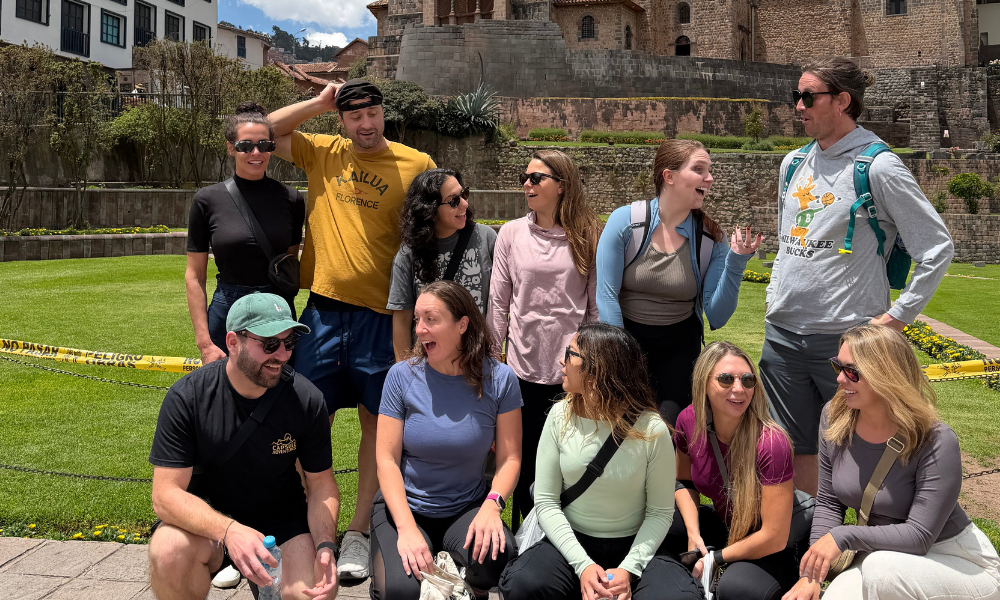
Look beyond your immediate area too. Sober travel groups like Capsule Adventures bring together people from different cities for week-long adventures to places like Machu Picchu or the Komodo Islands. These experiences create friendships that last well beyond the trip itself. When you trek through the Andes with someone, wake up at altitude together, and push through physical challenges as a group, you form bonds that online forums alone can't replicate.
The key is showing up consistently. Friendships don't form after one meeting or one hike. You need to keep appearing in the same spaces, have repeated interactions, and let relationships develop naturally over time.
What to Look for in Sober Friends
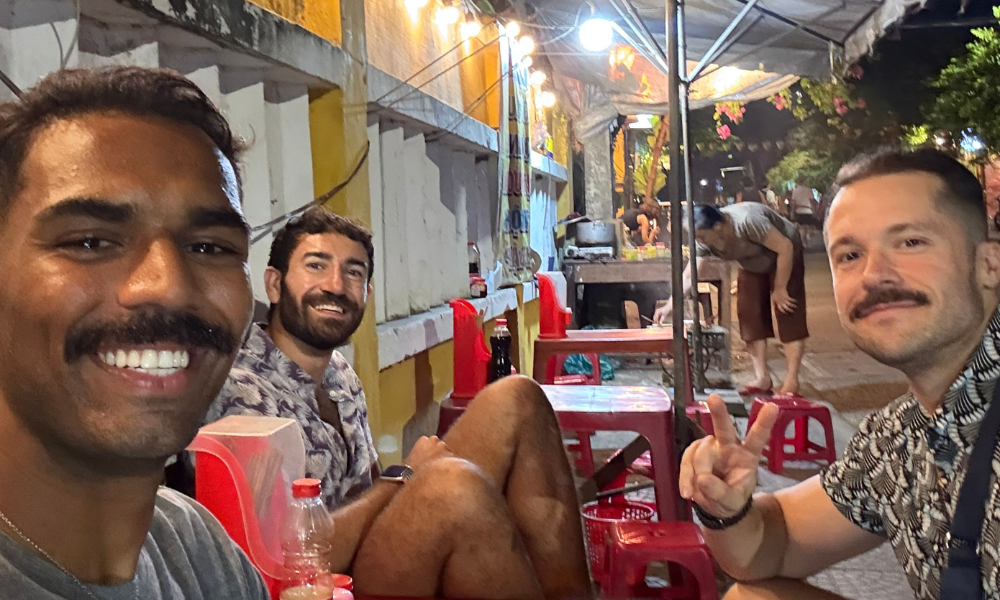
The best sober friends offer support without judgment. You should be able to share your struggles honestly without feeling like you're being graded or criticized. Everyone's path looks different, and a good friend recognizes that. Look for people who want to do things, not just talk about sobriety. Friendships built solely around discussing what you're not doing anymore can become exhausting. The friendships that stick are the ones where you're actively building new experiences together: planning trips, training for races, learning new skills, or just hanging out and enjoying each other's company.
You also want friends who encourage growth. If someone's still telling the same drinking stories years later without moving forward, that's a red flag. Strong friendships in sobriety celebrate milestones but keep the focus on what comes next: the adventures you're planning, the goals you're working toward, the life you're creating.
Long-term commitment matters too. Some people show up when they need support and disappear when things are good. The friends worth investing in are the ones who stick around, where the relationship deepens over time, and where you genuinely care about each other's lives beyond sobriety status. Finding sober friends takes time. You're not going to meet someone once and become best friends immediately. But when you keep showing up in the same spaces, have honest conversations, and do things together that matter, friendships develop naturally.
How to Actually Make the First Move
Here's the part nobody talks about: you have to be the one who suggests doing something. Seeing someone at the same meeting every week doesn't automatically create a friendship. You need to make the ask. After a meeting or group activity, approach someone you've talked to a few times and suggest something specific. Don't say "we should hang out sometime." That's too vague and nothing happens. Instead, say "I'm planning to hike this Saturday morning. Want to come?" or "A few of us are getting coffee after this next week. You should join."
The specific invitation matters because it gives people something concrete to say yes or no to. Most people want to make friends but are waiting for someone else to initiate. Be that person. If someone says no, don't take it personally. They might be busy, they might not be ready, or you might just not click. That's fine. Ask someone else. I've had plenty of people turn down invitations before I found the friends who stuck.
Exchange numbers or social media handles. Follow up when you say you will. If you tell someone you'll text them about that hike, actually text them. This sounds obvious, but half the potential friendships die because someone doesn't follow through on a simple text message.
Start small. You don't need to plan a week-long trip with someone you just met. Grab coffee, go for a short hike, meet up before a meeting. Let the friendship build through repeated, low-pressure interactions before you jump into bigger commitments.
What Sober Friends Do Together
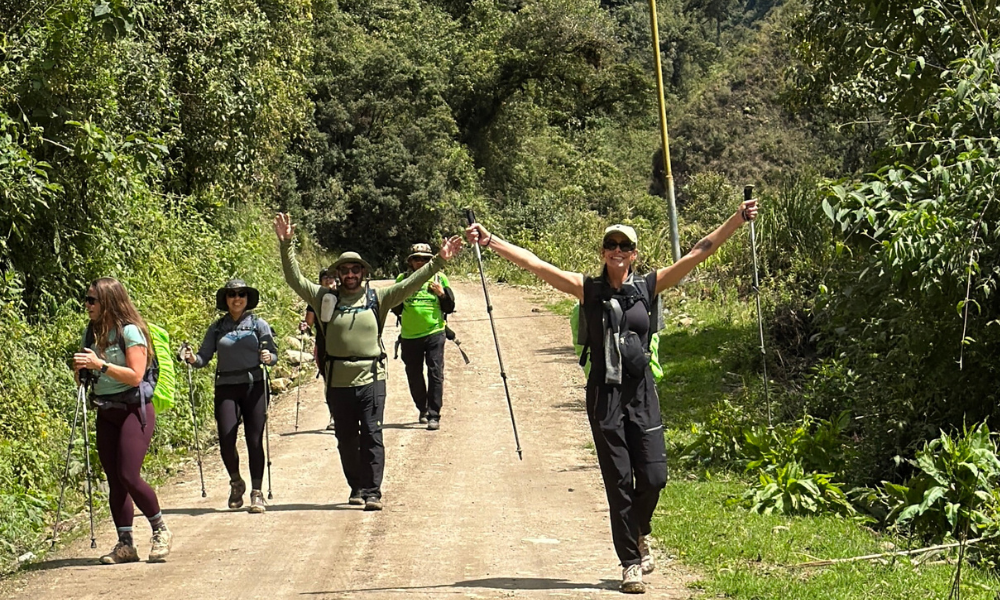
Sober friendships that last are built around doing things. You're not sitting in coffee shops indefinitely talking about cravings. You're hiking, traveling, starting businesses, training for races, learning new skills, and building lives that are so full there's no room for substances anyway.
I've seen sober friends organize weekly trail runs, plan group trips to national parks, host dinner parties where the focus is on good food and conversation rather than the wine list, and create accountability partnerships around fitness goals or creative projects. The activity itself matters less than the fact that you're doing something together that wouldn't be better with alcohol.
This is where the replacement concept becomes real. You're not just removing substances from your life and leaving a void. You're actively filling that space with experiences that give you the euphoria, connection, and sense of adventure that you thought only came from getting high or drunk. Turns out those feelings are available through other means; you just have to go find them with people who are on the same path.
Travel has been particularly powerful for building deep friendships in my experience. When you're trekking to Rainbow Mountain in Peru or diving in Bali, you're too focused on the experience itself to think about drinking. You wake up early, move your body through incredible landscapes, share meals with your group, and fall asleep exhausted in the best possible way. That week creates bonds and shows you what friendship can look like when everyone's fully present.
How to Keep Friendships Strong Across Distance
Some of the best sober friendships I've made are with people who live hundreds or thousands of miles away. We met on trips, at conferences, or through online communities, and we've figured out how to stay connected despite the geography.
The key is regular contact that goes beyond "hey, thinking of you" messages every few months. Set up recurring calls or video chats. I have a group of friends where we do a video call every other Sunday morning. We talk about what's going on in our lives, hold each other accountable to goals, and just catch up. It's 45 minutes every two weeks, and it keeps the friendship alive.
Send voice messages instead of long texts. Hearing someone's voice creates more connection than reading paragraphs, and it's faster than typing. I use this constantly with friends across the country. Quick voice messages while I'm driving or making dinner keep us in each other's lives without requiring scheduled phone calls.
Plan trips to see each other. If you met someone on a group adventure and felt a genuine connection, suggest meeting up for another trip or visiting each other's cities. These don't have to be elaborate. Sometimes it's just crashing on someone's couch for a weekend and exploring their local hiking trails together.
Celebrate the big stuff. When your long-distance friend hits a sobriety milestone, gets a promotion, or goes through something hard, show up for them however you can. Send them something in the mail, set up a video call, or just be present through texts. Distance is an excuse, not a barrier, if you're willing to put in minimal effort.
Use WhatsApp or group chats to stay connected daily. The friends I met on Capsule trips have group chats that are active months and years after the trip ended. We share random thoughts, funny things we see, and check in when someone's having a rough day. It's low effort but high impact for maintaining connection.
Making Friends Through Sober Travel
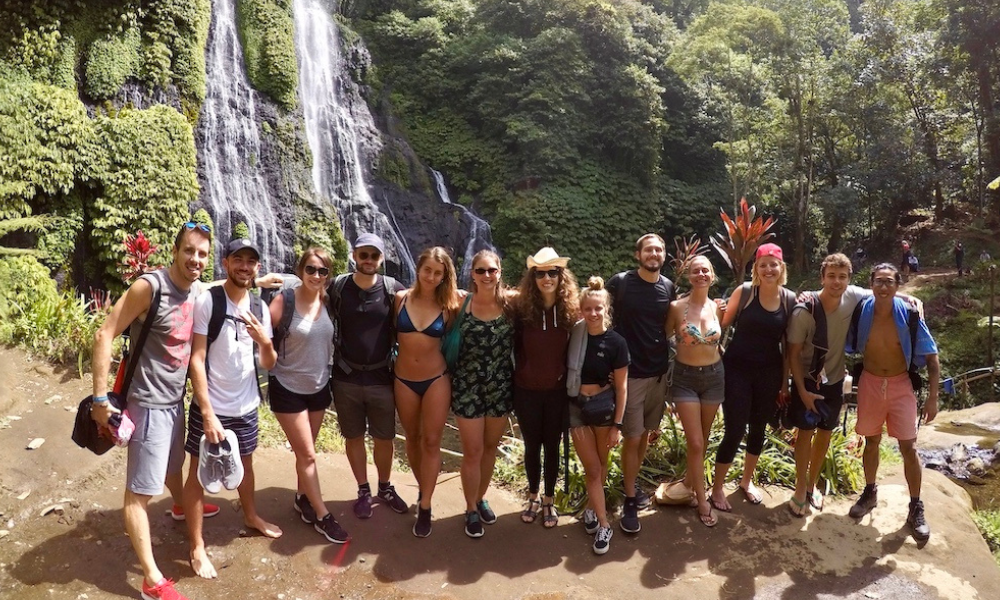
Travel removes you from your regular environment and puts you in situations where you have to rely on the people around you. When you're hiking at altitude or navigating a new country together, the usual small talk drops away fast. You end up having real conversations and forming genuine friendships.
What I've found with the trips I lead through Capsule Adventures is that the friendships don't end when the trip does. People stay connected through WhatsApp groups, plan reunions, and sometimes even move to the same cities to be closer to each other. They've found their people, and they're not willing to let those connections fade just because the trip ended.
Getting out of your local area also helps you see that your options aren't limited to the people in your immediate vicinity. If the meetings in your town don't resonate or you haven't found your people locally, there's a whole world of potential friends living substance free who you haven't met yet. Connecting with them might mean joining an online group that plans in-person meetups, or it might mean signing up for a group adventure to a place you've always wanted to visit.
The people you meet on these trips understand what you're going through because they're going through it too. You don't have to explain why you're not drinking or convince anyone that adventure is better than alcohol. Everyone's already on the same page, which means you can skip straight to the good part: actually experiencing life together in a way that feels vibrant and real.
Start Making Sober Friends Today
Making sober friends takes effort, but it's worth it. Start by showing up in online spaces where sober people gather. Join a Reddit community, follow some Instagram accounts, or find a forum focused on an activity you enjoy. Then look for local options: meetings, activity groups, or classes where you might meet people pursuing a substance free lifestyle.
Don't wait for people to reach out to you first. Sometimes you have to be the person who suggests meeting for coffee after a meeting, who invites people on hikes, or who organizes group outings. The friends you're looking for might be waiting for someone to take that first step.
Be patient with the process. Not everyone you meet will become a close friend, and that's fine. You're looking for your people, not trying to befriend everyone in recovery. Keep showing up, keep doing things that matter to you, and let friendships develop naturally with the people who resonate.
And if you're ready to accelerate the process, consider joining a sober travel experience. At Capsule Adventures, we bring together people who want more from their lives than what substances offered. We trek to Machu Picchu, explore the Komodo Islands, and create the kind of adventures that replace what you thought you needed drugs or alcohol for. You'll meet people from across the country who become genuine friends, not just trip buddies.
Your sober friends are out there. You just have to start looking for them, and once you find them, everything gets easier.
Frequently Asked Questions About Making Sober Friends
Where can I meet sober friends if I don't go to meetings?
Activity-based groups are great alternatives to traditional meetings. Look for sober running clubs, climbing groups, yoga studios with recovery-focused classes, or outdoor adventure meetups. These groups attract people who want to build their lives around doing things rather than just talking about sobriety. You can also connect with people online through Reddit communities like r/stopdrinking or Instagram hashtags like #soberlife, then meet up in person.
How do I actually approach someone and suggest hanging out?
Be specific with your invitation. Instead of saying "we should hang out sometime," say something concrete like "I'm planning to hike [specific trail] this Saturday morning. Want to come?" or "A few of us are getting coffee after this next week. You should join." Most people want to make friends but are waiting for someone else to initiate. Exchange numbers, follow up when you say you will, and start with low-pressure activities like coffee or a short hike before planning bigger commitments.
What do sober friends do together besides talk about recovery?
Sober friendships that last are built around doing things: hiking, traveling, training for races, starting businesses, hosting dinner parties, or creating accountability partnerships around fitness or creative goals. The activity itself matters less than filling that space with experiences that give you connection and adventure. Many sober friends organize weekly trail runs, plan group trips to national parks, or just hang out doing normal things that don't revolve around alcohol.
Can sober travel help me make friends in recovery?
Yes. Travel removes you from your regular environment and creates situations where you rely on the people around you. When you're trekking at altitude or navigating a new country together, superficial small talk drops away fast and you form genuine friendships. The people I've met on sober travel experiences stay connected through WhatsApp groups, plan reunions, and sometimes move to the same cities to be closer. A week of adventure together creates bonds that online forums alone can't replicate.
