
The Ultimate Guide to Sober Curious Travel in 2026
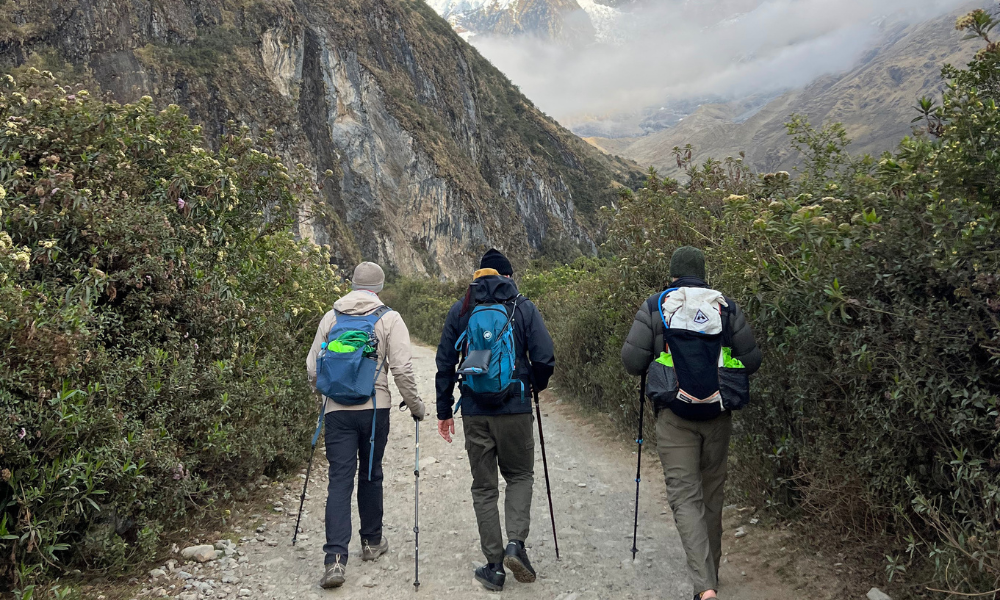
This guide covers everything you need to know about sober curious travel: why the movement is exploding right now, why travel is one of the best ways to explore a life with less alcohol, where to go, how to prepare, what to pack, and what to expect when you get there. If you're sober, sober curious, or just tired of vacations that leave you more wrecked than rested, this is for you.
The Numbers Don't Lie: Drinking Is Declining
Before we get into the travel part, it helps to understand what's actually happening culturally. Because sober curious travel isn't a niche wellness trend. It's a reflection of a genuine, documented generational shift in how people relate to alcohol.
| Year | Adults Under 35 Who Drink | All Adults Who Drink |
|---|---|---|
| 2001–2003 | 72% | ~65% |
| 2010–2012 | 68% | ~63% |
| 2019–2021 | 64% | ~60% |
| 2021–2023 | 62% | ~57% |
| 2025 | 50% (ages 18–34) | 54% |
Sources: Gallup (2023), Gallup (2025)
That's a 22-point drop among under-35s in two decades. That is a clear indication that people are turning their backs on alcohol in social situations and choosing to enjoy life without the inevitable hangover.
| Generation | Regularly Drink Beer | Regularly Drink Wine | Regularly Drink Spirits |
|---|---|---|---|
| Gen Z (under 28) | 18–20% | 18–20% | 18–20% |
| Millennials (28–43) | 31% | 30% | ~25% |
| Gen X / Boomers | 35%+ | 35%+ | ~28% |
Source: Statista Consumer Insights 2024
Gen Z consumes roughly 20% less alcohol per capita than Millennials or Boomers. And among Gen Zers who don't drink at all, 46% say they're simply not interested, and 34% cite mental health concerns as their reason.
The sober curious movement has now become mainstream. Nearly half of Americans (49%) are trying to drink less in 2025, a 44% increase since 2023. Participation in Dry January increased by 36% year over year. In 2024, 25% of Americans over 21 didn't drink any alcohol at all.
After learning about the sober curious movement, 52% of Gen Z and Millennials say they're likely to participate in it in 2025.
This matters for travel because as drinking declines, demand for experiences that don't revolve around alcohol is rising fast. People want to go places. They want adventure. They just don't need a bar tab to do it.
What Is Sober Curious Travel?
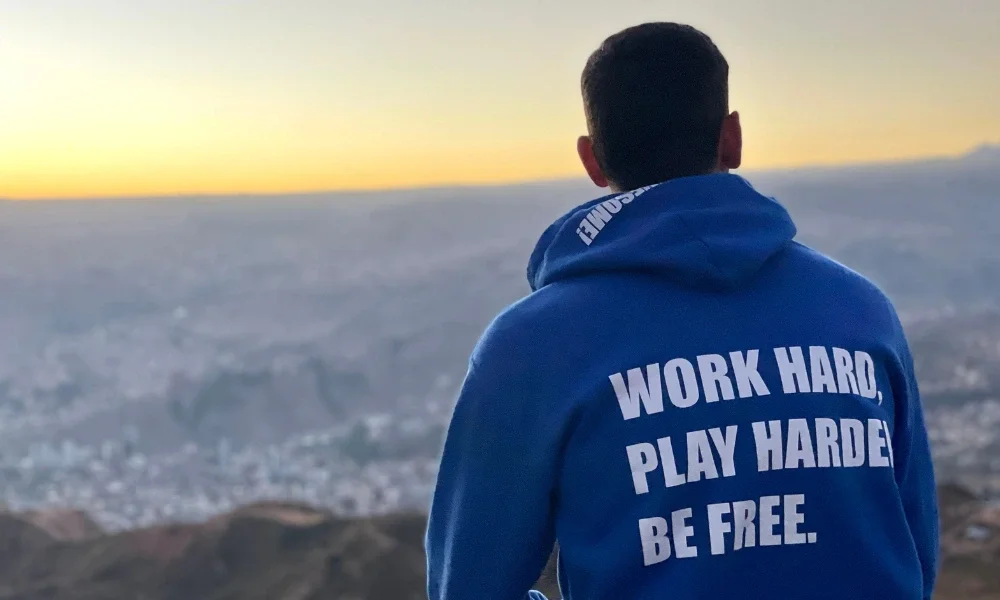
Sober curious travel means traveling without alcohol as the centerpiece. You're not necessarily in recovery. You might drink occasionally at home. But for this trip, you're choosing to stay sober and see what that does to the experience.
I started doing this after I got sober, and it changed everything about how I travel. Instead of planning trips around where I could drink, I started planning them around what I actually wanted to experience. The destination became the point. The people became the point. The movement and the challenge became the point.
Sober curious travel sits between traditional travel and full sobriety retreats. It's more immersive than the former and less clinical than the latter. There are no meetings, no structured programming, no circles talking about feelings. Just good trips, real places, and people who want to be fully present in them.
Why Travel Is the Perfect Arena for Sober Curiosity
There's a reason so many people first question their relationship with alcohol while traveling. Vacation strips away routine. Without the familiar patterns of your daily life, you're forced to reckon with what you actually enjoy and what you've just been doing out of habit.
Alcohol tends to be embedded in travel as a social default. The welcome drinks. The wine with dinner. The beach bar. The airport lounge. Remove all of that and something interesting happens: the trip itself has to deliver.
And when you choose the right kind of trip, it delivers more than alcohol ever could.
I'm talking about waking up at 4am to start a high-altitude hike and watching the sun rise over the Andes. About diving 20 meters into a coral reef in the Banda Sea and having a manta ray drift past you. About pushing through the last two hours of a trek to Annapurna Base Camp and standing there at 4,130 meters with your legs burning and your lungs burning and thinking, completely clearly, that this is the most alive you've ever felt.
Alcohol couldn't give you that. Alcohol would have made it impossible.
The Replacement Principle
The most powerful concept in my own sobriety is called replacement. You find something that gives you as much joy, euphoria, or relief as the thing you're giving up. For me, that became adventure travel.
After I got sober, I was terrified I'd never feel the same highs I'd gotten from substances. Everything felt grey. Travel and physical challenge brought that feeling back, but cleaner and stronger and without the wreckage. The replacement didn't just fill the gap. It made the gap irrelevant.
This is why adventure travel and sober curiosity fit together so naturally. The physical and emotional intensity of real adventure creates genuine altered states. Summit euphoria, depth of connection with strangers in difficult terrain, the particular clarity of being exhausted and somewhere beautiful at the same time. These are real highs. They just don't come in a glass.
Destinations That Make Sober Curious Travel Extraordinary
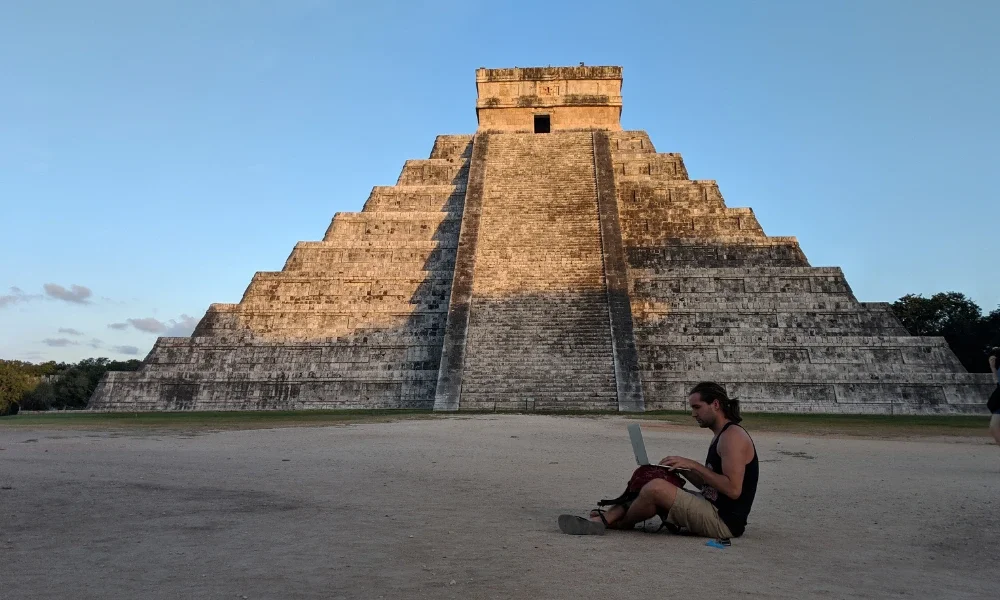
Some destinations naturally support sober travel. The activities demand physical presence. The environments demand attention. Alcohol would be a liability, not an enhancement.
Peru: Machu Picchu and the Salkantay Trek
Peru sits at the top of my list. The Salkantay trek to Machu Picchu passes through high-altitude terrain at 4,600 meters, intensely green cloud forests, and glaciers. Your body is working too hard to want alcohol. Your mind is too blown by what you're seeing to need it.
Being sober in Cusco also means you actually absorb the city. The food. The colonial architecture. The Incan ruins scattered through the streets. None of it blurs together.
Capsule runs two trips to Machu Picchu annually: May 24 to 31 and October 25 to November 1, 2026.
Nepal: Annapurna Base Camp
Trekking to Annapurna Base Camp at 4,130 meters is one of those experiences that makes sobriety feel less like a choice and more like obvious common sense. The altitude makes alcohol a genuinely bad idea. The effort required means you need every functioning cell in your body. The scenery you'd miss if you were foggy is worth more than any drink.
The trek passes through desert terrain, Gurung villages, rhododendron forests, and finally the high mountain amphitheatre of the Annapurna Massif. You stay in tea houses each night and eat dal bhat and talk to the other trekkers and go to sleep with your muscles aching and your head full of everything you saw that day.
Indonesia: Bali and the Komodo Islands
Bali offers sober travel possibilities that go well beyond what most people imagine. Volcano treks, white water rafting, temple circuits, surf lessons, rice terrace walks. The island is full enough of activity that alcohol never needs to enter the picture.
But the real magic on this trip is the liveaboard through Komodo. You spend several days on a traditional wooden boat, island hopping through one of the most remote and biologically extraordinary places on earth. Diving with manta rays and Komodo dragons, and bioluminescent bays. Being sober for this is not optional if you want to actually experience it.
USA: Zion National Park and Moab
You don't have to leave the country for a world-class sober adventure. Zion and Moab sit in some of the most dramatic landscapes in the western hemisphere. Narrow slot canyons, 2,000-foot sandstone walls, desert arches, and technical canyon hikes that require your full focus and both hands.
This is a trip for people who want to test themselves physically without an overseas commitment. The red rock landscape of southern Utah is legitimately one of the most arresting places I've ever been, and the hiking there rewards presence and punishes distraction.
How to Prepare for a Sober Curious Trip
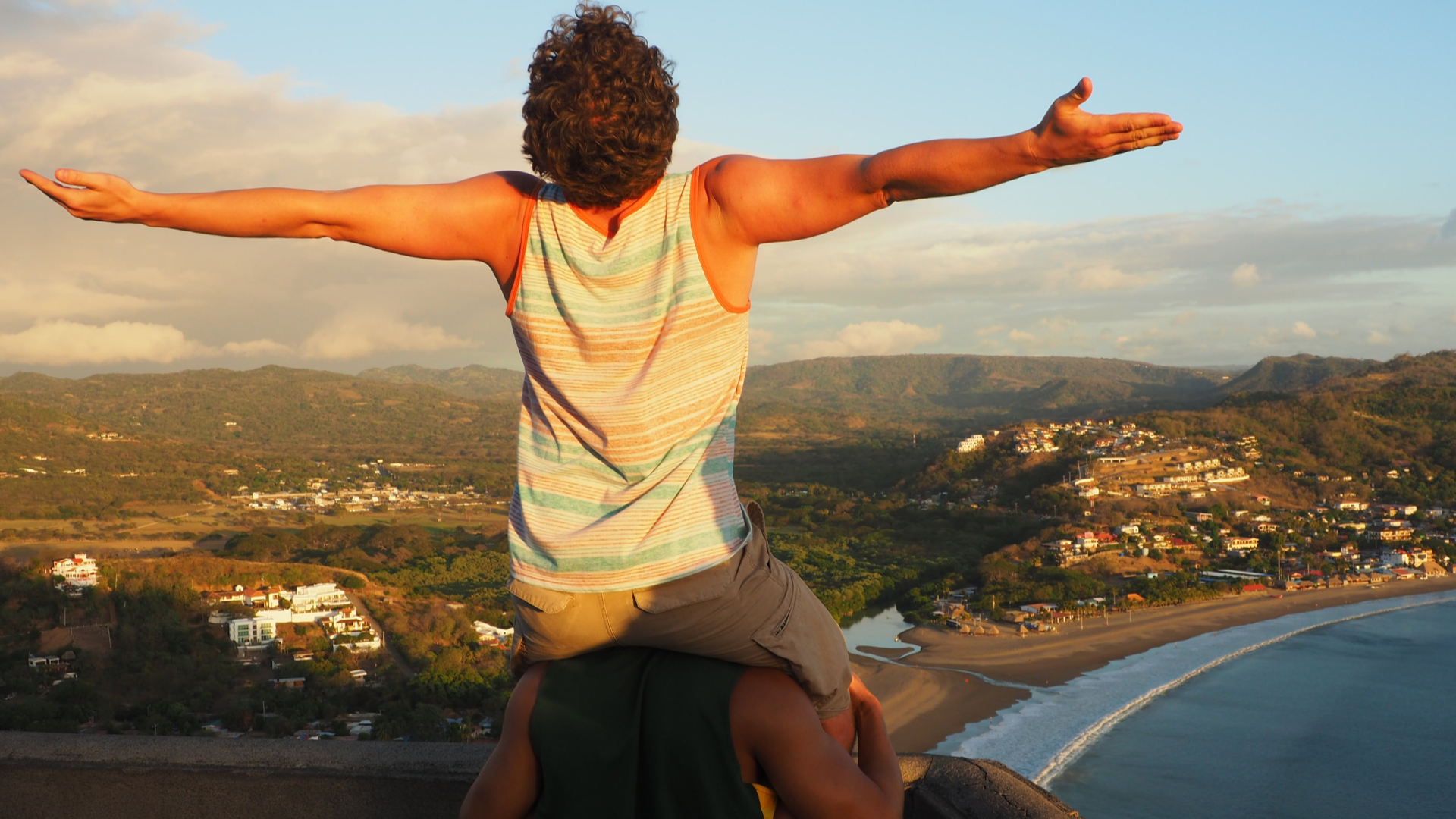
It’s not super difficult. The biggest thing you need to remember is that your enjoyment is going to solely come from the effort you put in. Not the drinks you imbibe!
Know Your Why Before You Go
This matters more than any packing list. Before you leave, get clear on why you're doing this trip sober. You don't need a deep reason. "I want to see what travel feels like without drinking" is enough. But having that intention locked in before you arrive means you're not deciding in the moment at the airport bar or at dinner on night one.
Tell Someone
If you're traveling in a group where others might be drinking, t,elling at least one person your intention takes the pressure off. You don't have to explain yourself repeatedly. You just say it once to one person and move on.
On Capsule trips this is a non-issue because everyone's on the same page from the start. But if you're doing a more independent sober-curious, trip, having one ally changes the social dynamic completely.
Book Activities Early
The best way to stay sober on vacation is to be genuinely tired from doing things. Book your activities in advance so the trip has structure and forward momentum. Idle evenings in tourist areas are where willpower gets tested. Full days followed by genuine physical exhaustion are where sober travel becomes effortless.
Plan Your Evenings
Think about what you'll do after dinner. On a Capsule trip, this takes care of itself because everyone's tired and the group dynamic fills the space naturally. On an independent trip, having a loose plan helps. Walk the old town. Go to a local market. Find a good coffee shop. Stargaze. Read. The point is that evenings on sober trips don't need to be engineered around activity; they just need to not default to a bar.
Give It the Full Trip
This is important. Don't give sober curious travel half a trip. The discomfort, if there is any, usually peaks in the first day or two and then dissolves. By day four, most people can't remember why they were worried. The full experience of a sober trip compounds. Connections deepen. Your body feels better each day. The memories sharpen. None of that happens if you bail on night two.
What to Pack for a Sober Curious Adventure Trip
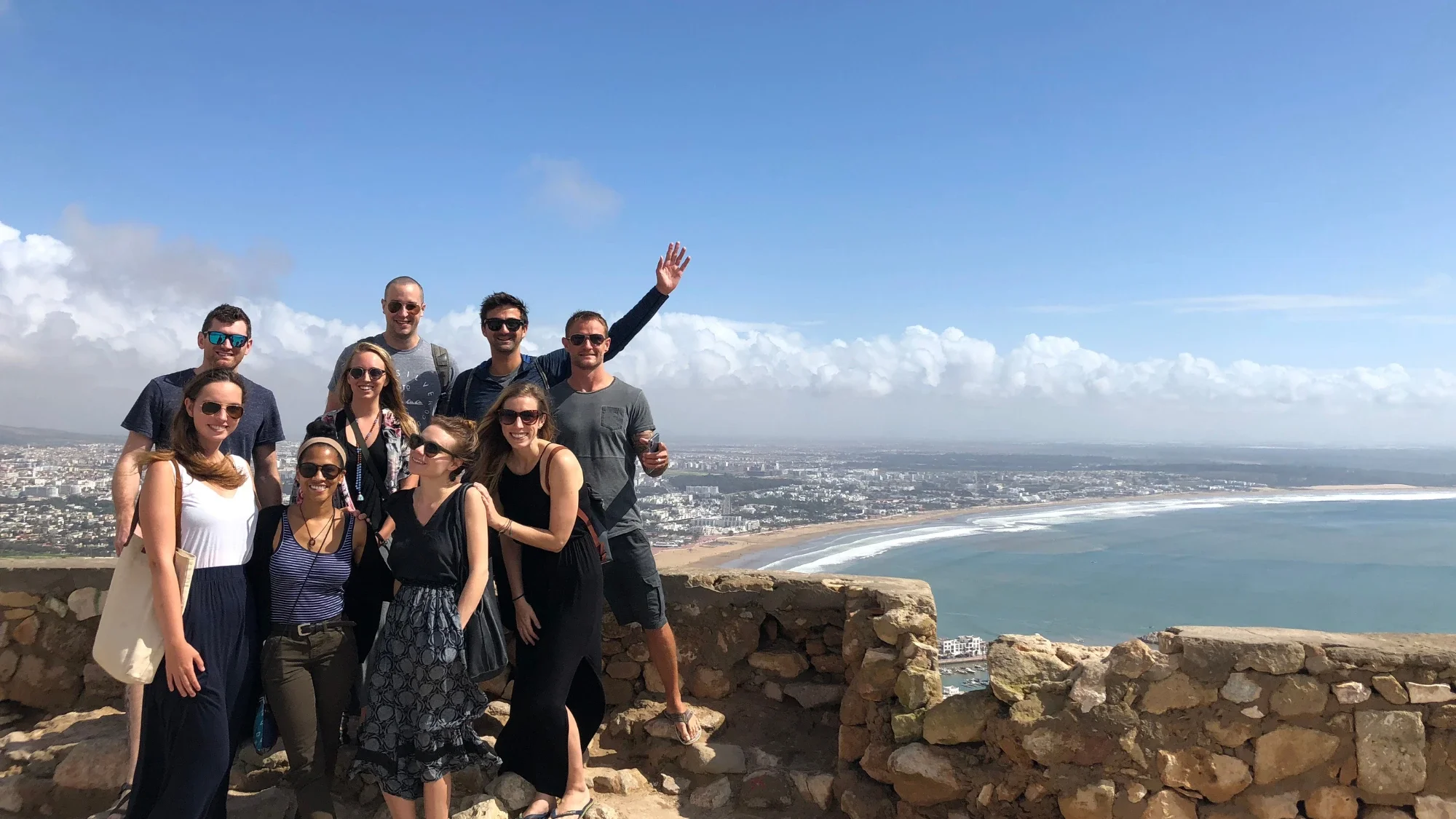
The packing list for a Capsule-style adventure trip doesn't change much based on sobriety. But there are a few things worth thinking about.
Drink alternatives. For some people, having a ritual drink that isn't alcohol helps in social settings. Sparkling water, good tea, kombucha. It's personal preference, not a requirement, but worth thinking about before you're standing at a welcome dinner wondering what to hold.
A journal. Sober travel produces a different quality of memory and reflection than drinking travel. You actually have things to write down because you were present for them. Even if you've never kept a journal before, bring one. You'll use it.
Fitness base. For high-altitude tr,ekking trips, your preparation before you leave matters as much as anything you pack. Start hiking with a loaded pack six to eight weeks before departure. Your experience at 4,000 meters is directly proportional to how prepared your legs and lungs are.
Standard adventure gear. Layers for cold mornings at altitude, moisture-wicking base layers, a quality rain jacket, broken-in hiking boots, a headlamp, a water bottle with a filter. Each trip page has specific packing guidance for its destination.
What to Expect
The First Day or Two
Some people find the first day or two of a sober trip slightly uncomfortable, particularly in social settings before the group has bonded. This is normal, and it passes quickly. The absence of alcohol as a social lubricant is most noticeable right at the start, before the shared experience of the trip does its work.
By day three on most Capsule trips, people have been through enough together that the bonds feel genuine and the absence of drinking doesn't register at all.
Real Sleep
One of the first things people notice is the sleep. Without alcohol in the system, sleep quality improves dramatically within the first night or two. On active adventure trips where you're physically exhausted, this compounds into a kind of deep rest that most people haven't experienced since childhood. You wake up genuinely recovered. This is not a small thing when you're going to be hiking for six hours.
Sharper Memories
The memories from sober trips stick differently. Details that would normally blur together stay clear. Conversations are complete. Moments that would have been hazy are vivid. You come home with a full trip in your head instead of fragments.
I've heard this more than any other observation from people who've done Capsule trips. They can remember things with a precision that surprises them.
Unexpected Connection
When alcohol isn't running the social dynamic, connections form more slowly but run deeper. You get to know people through shared challenge and genuine conversation rather than shared drinks. The friendships that form on sober adventure trips tend to outlast the ones formed over bars, because they're built on something real.
The Highs Are Real
This is the part I want you to understand most. The euphoria you feel at the summit of a peak, at the bottom of a dive, at the end of a brutal and beautiful trek, is not a consolation prize for not drinking. It is a better high. It lasts longer. Your body feels it. Your memory keeps it. And you earned it.
A Note for People Who Are Fully Sober
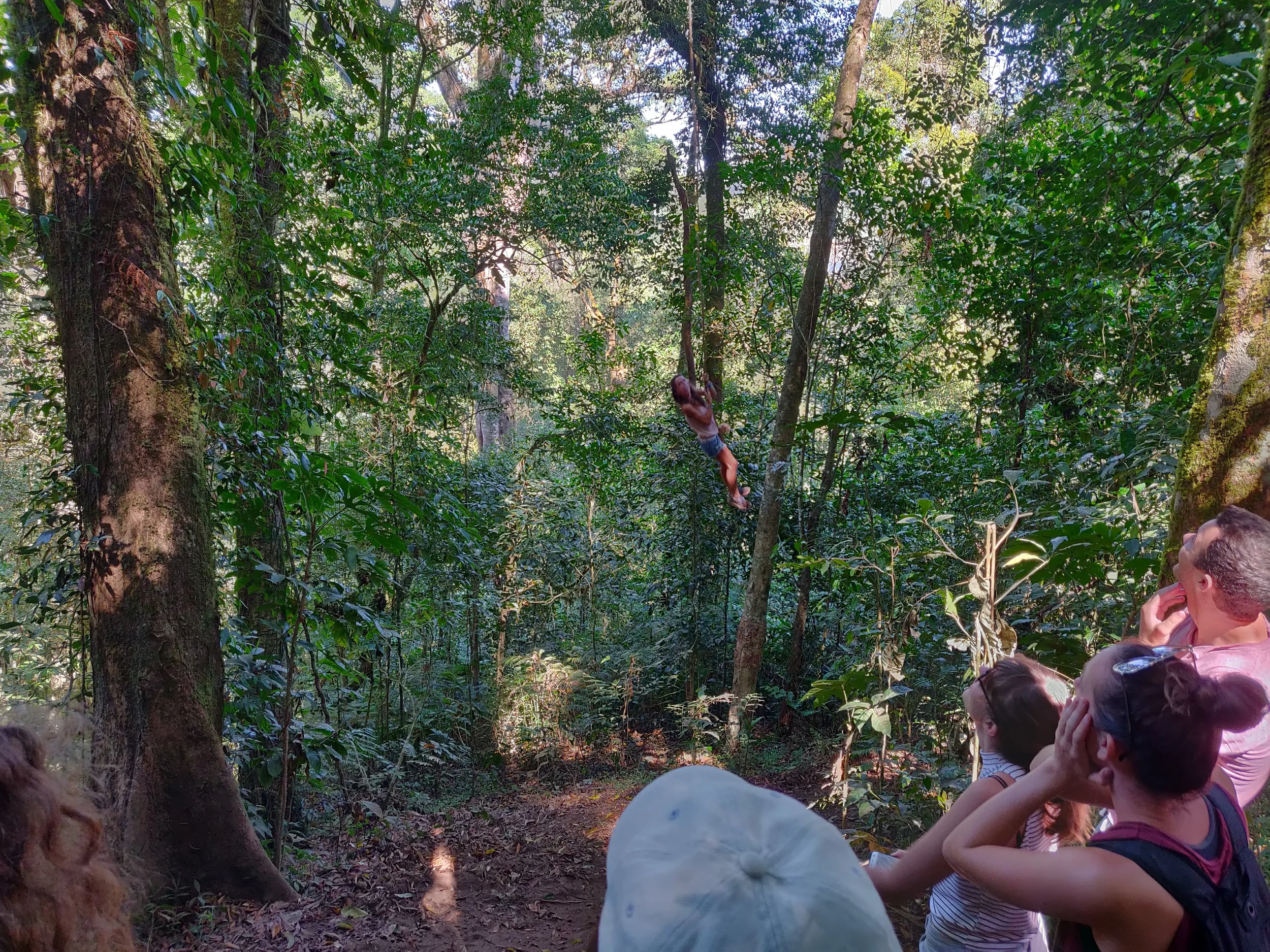
Sober curious travel attracts both people exploring a different relationship with alcohol and people who are fully sober. At Capsule Adventures, both are welcome and both are common.
If you're in recovery, these trips are designed for you. No awkward explanations. No drinks at every dinner. No pressure. Just a group of people who are all on the same page about alcohol and all focused on the trip.
That said, sober curious travelers and fully sober travelers share the same space on Capsule trips, and that requires one commitment from everyone: if you're on the trip, you're on the trip fully. No exceptions, no side trips to the bar, no secret bottles in the room. The sober environment only works if everyone holds it.
This is the entry point, not the selling point. The selling point is standing at 14,000 feet with your group, completely clear-headed, watching the sun come up over the Andes. The commitment is just how you get there.
The sober curious movement isn't a trend
The data confirms that. A generation is genuinely rethinking its relationship with alcohol, not because they're being lectured into it but because they're choosing something better.
Travel is one of the best places to test that choice. The world is too interesting and too big to experience through a fog. The highs available through real adventure, through physical challenge, through genuine connection with people and places, are not a compromise for the high in a glass. They're an upgrade.
If you want to find out for yourself, the trips are there.
Frequently Asked Questions
Do I need to be sober full-time to do sober curious travel?
No. Many people on Capsule trips drink occasionally in their normal lives. The only requirement is committing to the trip fully, which means no alcohol during the trip itself.
What if I feel social pressure to drink?
On Capsule trips this doesn't come up because nobody is drinking. On independent sober curious travel, the honest answer is that most people care far less than you think. "I'm not drinking on this trip" is a complete sentence.
Is sober curious travel only for adventure trips?
No, but adventure travel and sober curiosity pair particularly well because physical challenge naturally fills the space that alcohol might otherwise occupy. A beach holiday can also be sober curious, but it requires more intentionality to structure.
How is this different from a wellness retreat?
Wellness retreats focus on relaxation, meditation, and healing. Sober curious adventure travel focuses on physical challenge, external exploration, and genuine experience. Both can be sober, but the approach and energy are completely different. Capsule trips are not retreats. They're adventures.
What if I change my mind mid-trip?
On Capsule trips, the commitment to a substance-free environment is part of the group agreement. It's not about policing individuals, but about holding a space that everyone signed up for. If you're not sure you can commit fully for the duration, that's worth sitting with before booking rather than after.
