
What is a Sobercation?
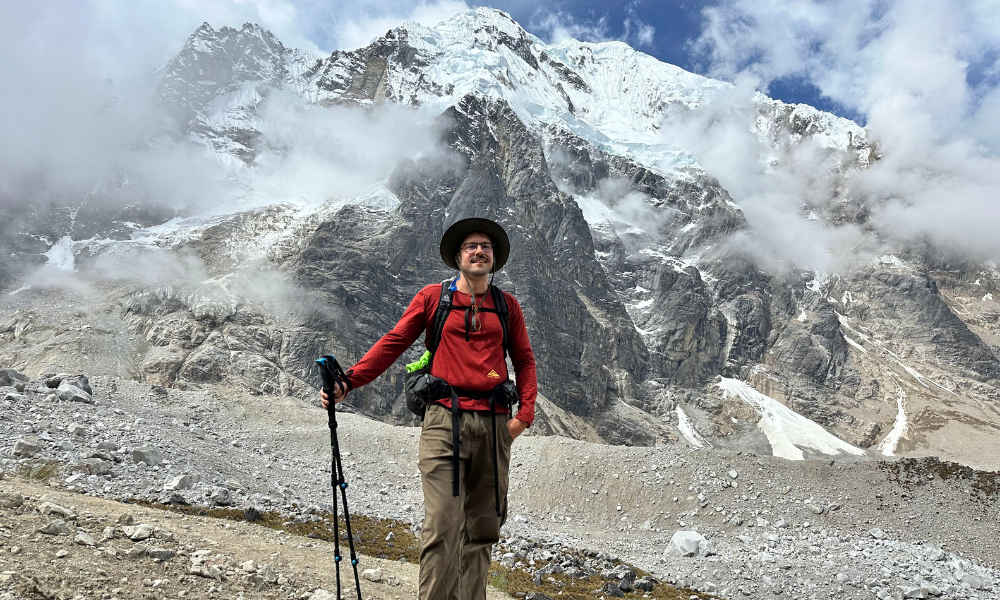
A sobercation is a vacation where alcohol and drugs aren't part of the experience. You travel, explore, and connect with people while staying completely sober. I started taking sobercations after I got sober, and they changed everything about how I travel. Instead of planning trips around where I could drink, I started planning them around what I actually wanted to experience.
The whole concept sounds limiting until you try it. Then you realize alcohol was the actual limitation. When I removed drinking from my trips, I opened up space for experiences I'd been missing. I could wake up for sunrise hikes. I remembered conversations with people I met. I had energy to actually do things instead of nursing hangovers half the day.
Why People Choose Sobercations
I meet people who come to sobercations for all kinds of reasons. Some are working on staying sober and need environments where they won't have to explain why they're not drinking at every meal. I get that completely. When I first got sober, the constant questions and sideways looks were exhausting.
Others are sober-curious. They drink sometimes but want to see what travel feels like without waking up foggy. They're tired of losing half their vacation to recovery mode, and honestly, who can blame them.
Then there's a third group that just wants more. They've done the resort thing with swim-up bars and packages that all blur together. They're looking for something that actually sticks in their memory. Something that feels alive instead of numbing.
What Makes a Sobercation Different
The mechanics are simple. No drinking, no drugs. But what that creates goes way deeper.
When you're sober, you're actually there. You notice things you'd normally walk past. Conversations go somewhere real instead of circling around the same surface topics all night. You connect with other travelers because you're showing up as yourself, not some drunk version.
Physical stuff becomes the main event instead of the thing you do between drinks. You can trek to Machu Picchu or surf at sunrise without wondering if your body can handle it. The whole trip centers on movement and exploration instead of hangovers and damage control.
I built Capsule Adventures specifically around this idea. I take people to places like Peru, Nepal, and Patagonia. Destinations where the terrain demands focus and the activities require energy. The environment naturally pushes you toward being fully engaged. You can't phone it in when you're at 14,000 feet.
Sobercations vs. Traditional Group Travel
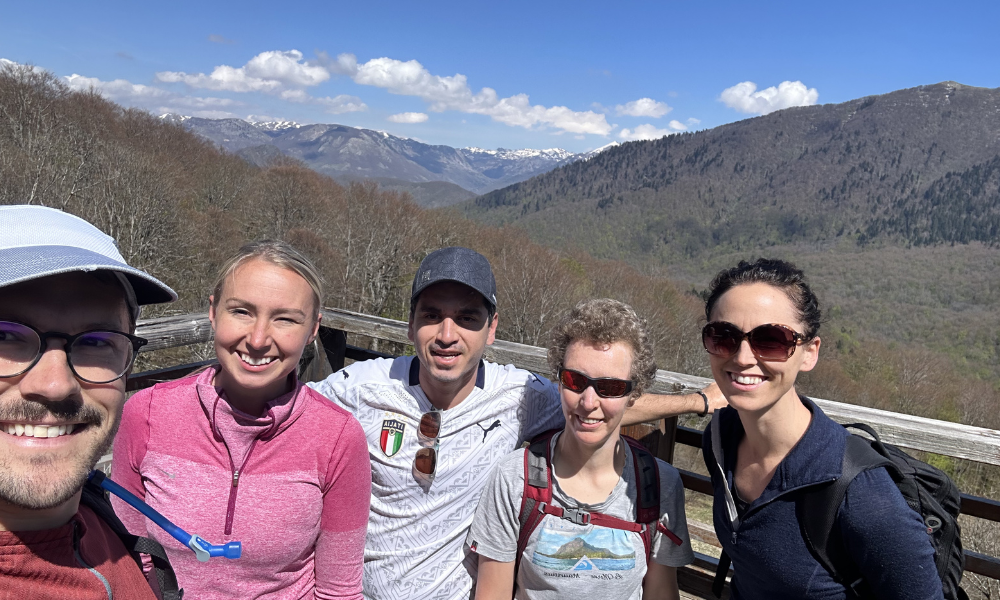
Most group travel builds drinking into the schedule like it's mandatory. Happy hours, wine tastings, beach bars. Even adventure tours end days with group drinks. If you don't drink, you're constantly navigating awkward conversations or feeling like the odd one out.
Sober group travel cuts through all that. Everyone knows the deal from the start. Nobody's asking questions. Nobody's getting messy at dinner. The bonding happens through shared experiences instead of shared hangovers.
This also means the group actually functions. Morning departures happen on time because nobody's sleeping off last night. People show up for activities instead of bailing. The energy stays consistent instead of cycling through drunk highs and hungover lows.
What to Expect on a Sobercation
Most sobercations center around moving your body and being outside. You spend days hiking, kayaking, climbing, exploring. The itinerary packs in enough physical activity that you're genuinely tired by evening. That makes not drinking easier because your body wants food and sleep, not booze.
Accommodations usually lean toward shared spaces. Mountain lodges, eco-resorts, adventure camps. Places where you eat meals together and actually talk instead of hiding in separate rooms. This builds community faster than any hotel setup could.
The social part surprises people. You lose alcohol as the easy conversation starter, but you gain something better. Real interactions. Conversations happen because people want to talk, not because they're drunk and chatty. Friendships form around shared challenges. You bond over the hard parts of the trek, not over shots at the bar.
When I run trips through Capsule Adventures, I keep things intentional without being preachy. We're not sitting in circles talking about our feelings. But we are deliberate about the experience. People reflect on what they're getting out of the trip. They're conscious of being there in a way most vacations don't allow.
Common Sobercation Destinations
Some places just work better for sober travel. Peru sits at the top of my list. The Salkantay trek to Machu Picchu kicked my ass in the best way possible. High-altitude hiking combined with landscapes that look fake they're so beautiful. Your body is working too hard to want alcohol. Your mind is too blown by what you're seeing to need it.
Nepal delivers similar magic. Trekking to Everest Base Camp or around Annapurna puts you in environments where drinking would actively ruin the experience. The altitude alone makes alcohol a terrible idea. Add in the effort required and the scenery you'd miss if you were foggy, and sobriety becomes the obvious choice.
Costa Rica works for people who want adventure without extreme difficulty. Surfing, zip-lining, wildlife watching, volcano hikes. Plenty of natural highs without needing substances. The whole country has this health-focused vibe that supports being sober without making it weird.
Patagonia offers raw beauty with serious physical challenge. Multi-day treks through remote wilderness that push you hard enough to create natural highs stronger than any drug could deliver. I've watched people cry at the top of peaks there, completely sober, just from the overwhelming magnitude of where they are.
The Recovery Angle
For people in recovery, sobercations prove something important. Travel and adventure don't require drinking. You can have incredible experiences while staying sober. You can create new associations between excitement and sobriety instead of excitement and substances.
Traditional recovery retreats focus on meetings, therapy, structured programming. Those have their place, but they're not vacations. They're work. I wanted something different when I started Capsule Adventures. Something that focuses on adventure and experience rather than recovery mechanics.
This doesn't mean ignoring sobriety. It's woven into everything we do. But we're hiking to Machu Picchu because it's incredible, not because it's therapy. The fact that you're doing it sober becomes part of the achievement, but it's not the only achievement.
This reframing mattered to me personally. It shifted my sobriety from feeling like a restriction to being a foundation. I wasn't missing out on drinking. I was gaining access to experiences that drinking would make impossible or at least significantly worse.
The Sober-Curious Experience
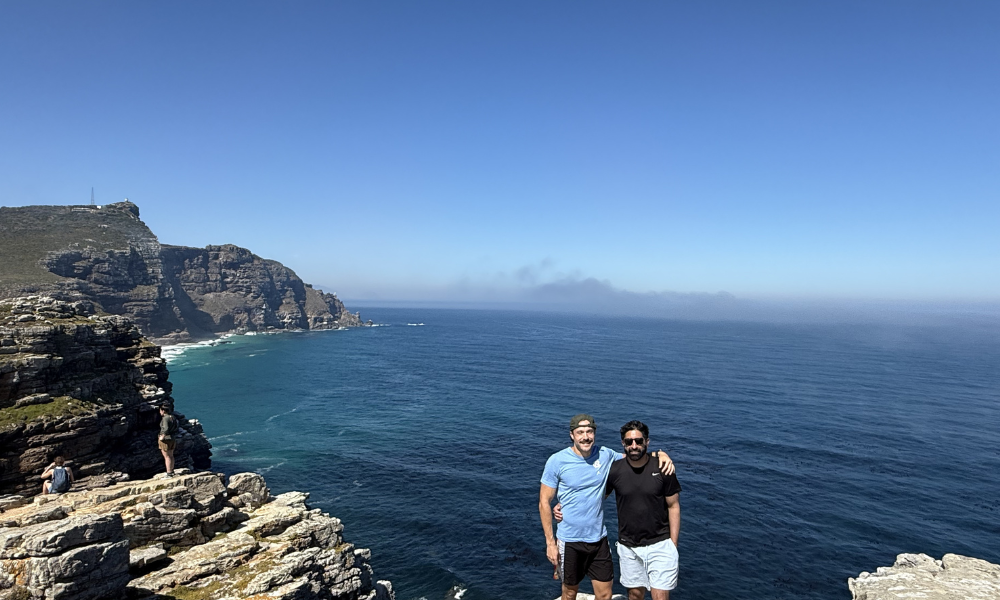
Sober-curious travelers bring different energy to sobercations. They're not in recovery. They haven't quit drinking permanently. They're experimenting with what sobriety might offer during a specific trip.
I love watching this group discover what they've been missing. Without the blur of drinking, destinations become sharper. Without hangovers, they maintain energy throughout the trip. Without performing the social dance of drinking, their connections with other travelers feel more real.
Many sober-curious people come back from sobercations and change their relationship with alcohol at home. Not necessarily quitting entirely, but drinking less, drinking more intentionally, taking extended breaks. The sobercation becomes proof that a different way of living is possible and actually better in some ways.
Practical Considerations
Planning a sobercation requires thinking through some logistics that wouldn't matter on a traditional trip. You need to consider whether your destination and accommodations support a sober experience naturally or whether you'll be constantly navigating alcohol-focused social situations.
Group composition matters significantly. A solo sobercation differs from joining an organized sober group trip. Solo travel gives you total control but requires more navigation of social situations. Group trips provide built-in community but less flexibility.
Physical challenge often helps. When you're genuinely tired from hiking, surfing, or climbing, the absence of alcohol becomes easier to manage. Your body craves rest and food, not drinks. Planning activities that tire you out makes evenings straightforward.
Some people worry about boredom on sobercations. What do you do at night if you're not drinking? In practice, this rarely becomes an issue on adventure-focused trips. People are tired. They want to eat, talk, maybe play cards or stargaze, then sleep. The structure of the trip eliminates the void that alcohol might normally fill.
Cost and Value
Sobercations often cost less than traditional vacations once you remove bar tabs and alcohol expenses from the equation. Adventure travel generally focuses spending on experiences and logistics rather than nightlife and drinks.
That said, organized sober group trips can carry premium pricing because you're paying for curation, logistics, and community. A company that handles all planning, accommodations, guides, and group coordination provides value beyond just booking your own sober trip.
The value calculation depends on what you need. If you're confident traveling solo and comfortable navigating social situations while sober, you can create your own sobercation cheaply. If you want guaranteed sober community and turnkey logistics, paying for an organized trip makes sense.
Who Sobercations Work Best For
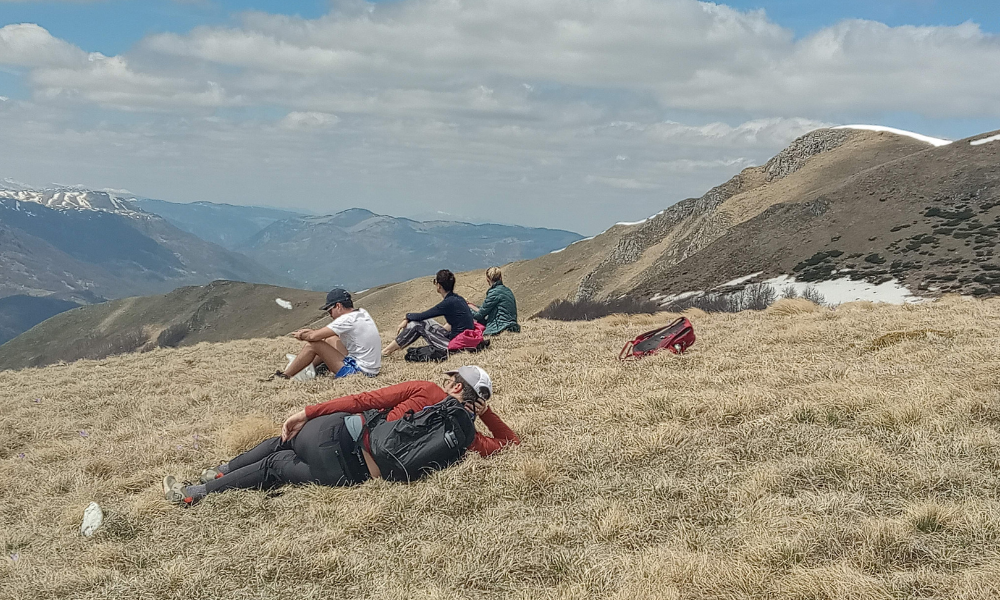
Sobercations appeal to a specific type of traveler. You need to actually want the sober part, not just tolerate it. If you're constantly fighting the desire to drink, the trip becomes miserable instead of liberating.
People who thrive on physical challenge often take to sobercations naturally. If you already structure your life around fitness, adventure sports, or outdoor activities, removing alcohol from vacation aligns with how you already live.
Social people who value deep connections over surface-level partying also find sobercations appealing. If you'd rather have a two-hour conversation around a campfire than get drunk at a bar, this style of travel fits.
Age matters less than mindset. Sobercations attract everyone from mid-twenties professionals to people in their fifties looking to reset their relationship with travel and alcohol. The common thread is wanting something more intense and memorable than a standard vacation offers.
The Replacement Philosophy
This is the core of everything I do with Capsule Adventures. Replacement. You find something you enjoy as much or more than drinking or drug use. For me, that became adventure travel.
After I got sober, I was terrified I'd never find the same joy or euphoria that drugs gave me. Everything felt grey. Travel and new experiences brought back that feeling, but 10x better and healthier than my old strategy.
I deliberately pack Capsule trips with enough physical challenge and natural beauty that participants feel genuinely high from the experiences. The sober part becomes the entry point to those feelings rather than an obstacle. You're not missing out. You're trading up.
The euphoria from summiting a mountain or watching sunrise at Machu Picchu rivals or beats any substance high. The difference is it lasts. It's healthier. You remember it clearly instead of through a fog. Your body feels accomplished instead of wrecked.
Common Concerns and Questions
Do I have to be in recovery to go on a sobercation?
No. Plenty of sober-curious people or just regular travelers who want a different kind of trip choose sobercations. The only requirement is actually wanting to stay sober during the trip.
What if I'm the only sober person on a group trip?
This varies by trip. Some adventures market themselves as explicitly sober. Others are just regular trips where you happen to not drink. If you want guaranteed sober community, look for trips that specifically advertise as substance-free or sober-focused.
Are sobercations just for young people?
Not at all. The demographic skews 25-50 but includes everyone from recent college grads to empty nesters. Physical ability matters more than age. If you can handle the activities, age becomes irrelevant.
What about non-alcoholic beer or mocktails?
This depends on your relationship with sobriety. Some people in recovery avoid anything that mimics drinking. Others are fine with it. For sober-curious people, non-alcoholic options can help in social situations. It's personal preference.
How do you handle social situations without drinking?
On organized sober trips, this isn't an issue because everyone's on the same page. On solo sobercations or regular trips, you can be direct ("I don't drink"), vague ("Not tonight"), or just order something else. Most people care less than you think.
Is a Sobercation Right for You?
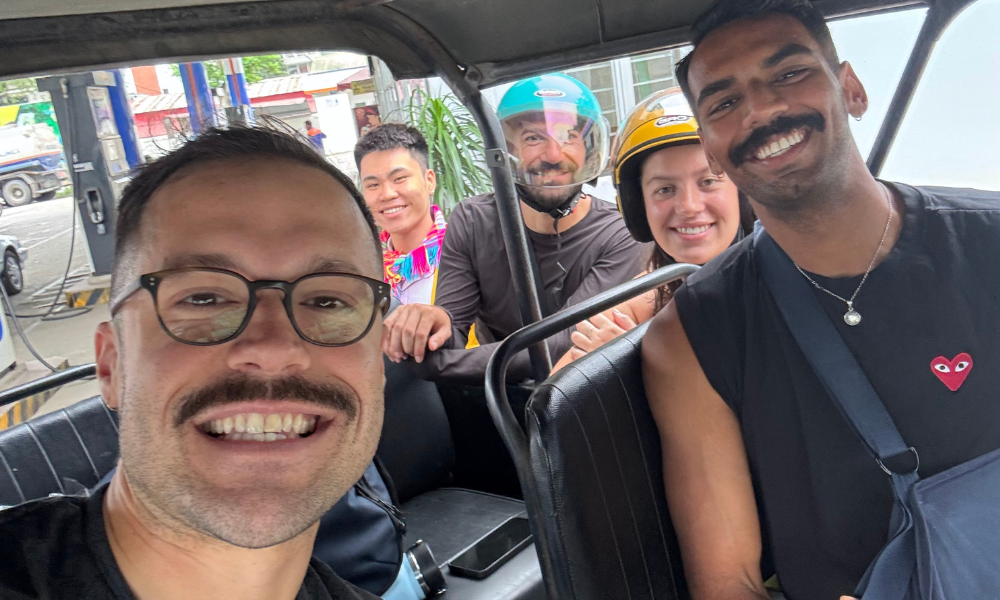
Ask yourself if you actually want to be sober for a week or more. If the thought excites you or at least feels interesting, try it. If it fills you with dread, you're probably not ready.
Think about what you want from travel. If you're after Instagram moments and resort luxury, a sobercation probably isn't your thing. If you want challenge, real experiences, and memories you'll remember clearly, this might be exactly what you need.
Consider your comfort with potentially explaining your choices. Can you enjoy yourself without alcohol smoothing social situations? If yes, sobercations open up possibilities most people never experience.
The best way to know is to just do it. Book a short sober trip, maybe a long weekend. See how it feels. You might discover that traveling sober unlocks aspects of adventure you didn't know existed. Or you might confirm that drinking is part of how you want to travel. Either way, you'll know.
Frequently Asked Questions
What exactly counts as a sobercation?
Any vacation where you intentionally abstain from alcohol and drugs. It can be solo travel, group trips, adventure tourism, or even just a standard beach vacation where you skip the drinks.
Do sobercations only happen in certain destinations?
No, but adventure destinations like Peru, Nepal, Costa Rica, and Patagonia lend themselves naturally to sober travel because they emphasize physical activity and natural beauty over nightlife.
Are sobercations more expensive than regular vacations?
Not necessarily. You save money on alcohol, which can be significant. Organized sober group trips may cost more upfront due to logistics and curation, but the total cost often evens out.
What if I slip up and drink during a sobercation?
On organized sober trips, this usually violates the group agreement and creates issues. On solo sobercations, you're accountable only to yourself. The point is intention, not perfection.
How do I find sobercation opportunities?
Look for companies specifically offering sober travel, adventure tourism companies that happen to be alcohol-free, or create your own by choosing destinations and activities that support sober experiences.
Do I need to be physically fit for a sobercation?
That depends on the trip. Some sobercations involve serious trekking and require fitness. Others focus more on relaxation and community. Match the trip to your current fitness level.
Will I be bored on a sobercation?
Unlikely if you choose the right trip. Adventure-focused sobercations pack enough activity and challenge that boredom doesn't enter the equation. You're usually too tired by evening to worry about entertainment.
Can sobercations help with addiction recovery?
They can support recovery by demonstrating that adventure and joy don't require substances. However, sobercations aren't therapy or treatment. If you need clinical support, seek that first.
What's the difference between a sobercation and a wellness retreat?
Wellness retreats often focus on relaxation, meditation, and healing. Sobercations emphasize adventure, physical challenge, and experience. Both can be sober, but the focus differs significantly.
